The Impact of Copa do Mundo on Global Football Culture
The Copa do Mundo, commonly known as the FIFA World Cup, is more than just a sporting event; it’s a cultural phenomenon that has left an indelible mark on global football culture. This tournament, held every four years, brings together nations from all corners of the globe, fostering a unique spirit of competition, camaraderie, and cultural exchange. In this post, we’ll delve into the multifaceted impact of the Copa do Mundo on global football culture, exploring its historical significance, its influence on football tactics and styles, and its role in shaping national identities and global unity.
Historical Significance of the Copa do Mundo
Since its inception in 1930, the Copa do Mundo has been a pivotal event in the history of football. The inaugural tournament in Uruguay marked the beginning of an era where football would transcend borders and become a universal language. Over the decades, the tournament has witnessed historical moments that have not only defined the sport but also reflected broader societal changes. For instance, the 1958 World Cup in Sweden was notable for the emergence of Pelé, whose stellar performance captivated the world and highlighted the rising influence of South American football.
Moreover, the World Cup has been a stage for political statements and movements. The 1978 tournament in Argentina occurred under a military dictatorship, drawing global attention to human rights issues. Similarly, the 1998 World Cup in France was celebrated for its multicultural French team, which became a symbol of diversity and integration in a politically charged environment.
Influence on Football Tactics and Styles
The Copa do Mundo has been instrumental in shaping and evolving football tactics and styles. Each tournament serves as a melting pot of different football philosophies, from the disciplined defensive approach of Italian Catenaccio to the fluid and attacking style of Brazilian Samba football. These diverse styles have contributed to a richer, more dynamic global football culture.
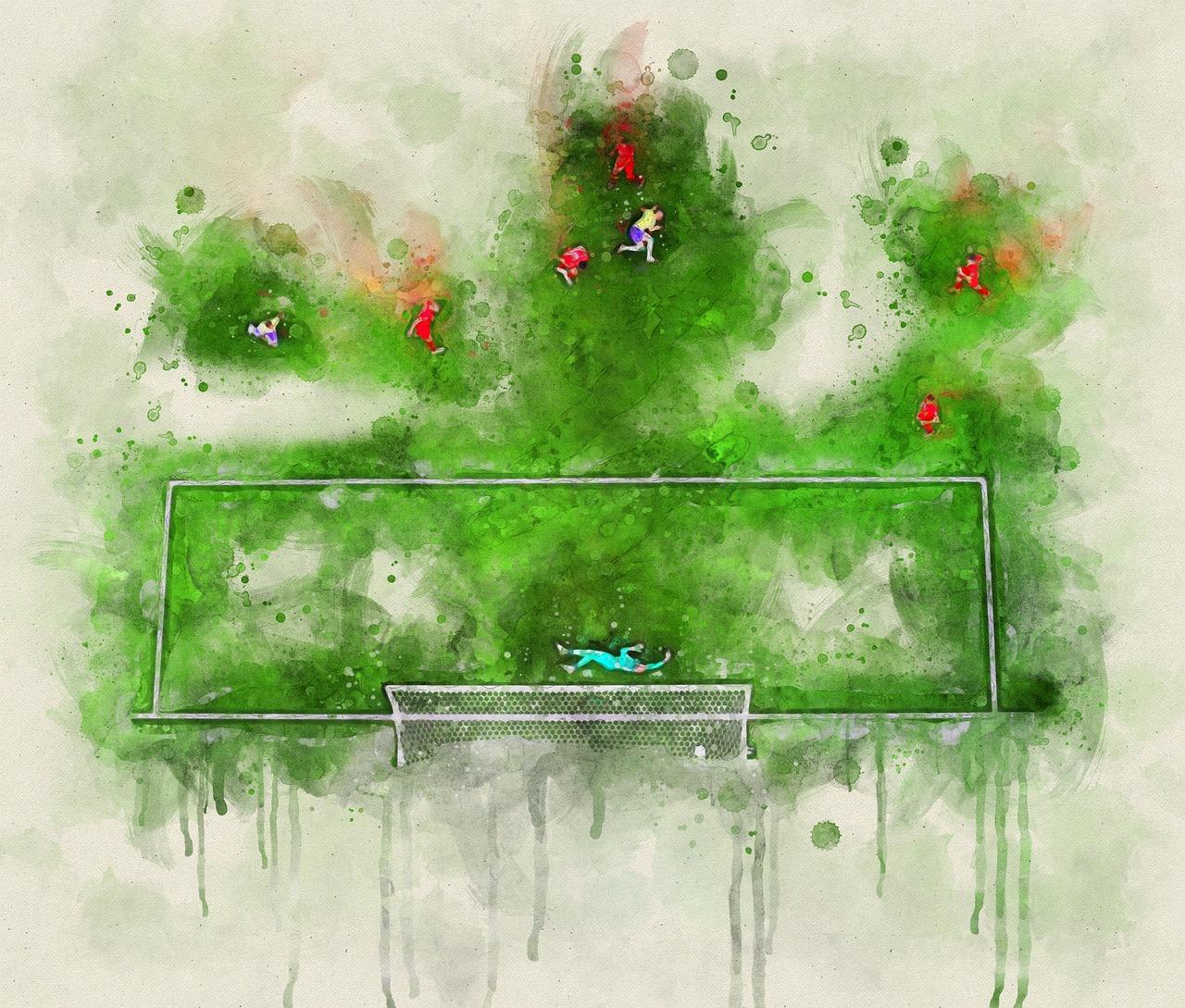
The 1970 World Cup, held in Mexico, is often remembered for Brazil’s attacking prowess, which set a new standard for offensive play. The Dutch team in 1974 introduced “Total Football,” a revolutionary tactic that emphasized versatility and fluidity, influencing countless teams worldwide. The tactical innovations seen in World Cups often trickle down to club football, altering how the game is played and coached at all levels.
Shaping National Identities and Global Unity
The Copa do Mundo is a powerful force in shaping national identities. For many countries, participating in the World Cup is a matter of national pride and a chance to showcase their cultural values on a global stage. Victories in the tournament have been known to unite nations and boost national morale. For example, Italy’s triumph in the 1982 World Cup brought joy to a nation dealing with political and economic challenges, while Spain’s victory in 2010 fostered a sense of unity amidst regional tensions.
Beyond national pride, the World Cup fosters global unity. It’s one of the few events where billions of people, regardless of their background, come together to celebrate a shared passion. The tournament promotes cultural exchange, as fans from different countries interact and learn from each other, creating a vibrant tapestry of cultures and traditions.
Economic and Social Impacts
The economic implications of hosting the Copa do Mundo are significant. Host countries invest heavily in infrastructure, which can lead to long-term economic benefits. The 2014 World Cup in Brazil, for example, resulted in improved transportation networks and increased tourism. However, the economic impact is not always positive, as the high costs associated with hosting can strain national budgets.
Socially, the World Cup can have profound effects on communities. It often sparks increased interest in football, leading to greater participation in the sport at the grassroots level. This can have positive outcomes, such as promoting physical health and fostering community spirit. However, the displacement of communities and the prioritization of funding for tournament-related projects over local needs can lead to social tensions.

Technological Advancements and Innovations
The Copa do Mundo has also been a catalyst for technological advancements in football. The introduction of goal-line technology in 2014 and the Video Assistant Referee (VAR) system in 2018 are examples of how technology is enhancing the fairness and accuracy of the game. These innovations have been adopted in leagues around the world, improving the overall quality of officiating.
Moreover, advancements in broadcasting technology have made the World Cup more accessible than ever. Fans can now watch matches in high definition, with sophisticated graphics and analysis enhancing the viewing experience. This increased accessibility has further cemented the World Cup’s place in global culture, allowing fans from all demographics to engage with the tournament.
Takeaways
The impact of the Copa do Mundo on global football culture is profound and multifaceted. From shaping football tactics and national identities to fostering global unity and driving technological advancements, the tournament has played a pivotal role in the development of the sport and its cultural significance. As we look to the future, the World Cup will undoubtedly continue to be a powerful force in the world of football, inspiring new generations of players and fans alike.
For more insights and historical perspectives on the World Cup, visit this resource or explore detailed analyses of past tournaments at this website. The journey of the Copa do Mundo is one of triumph, innovation, and unity, reflecting the ever-evolving narrative of global football culture.
Legacy and Future of the Copa do Mundo
As we look toward the future, the legacy of the Copa do Mundo is poised to expand even further. The tournament’s ability to adapt and grow with changing times is a testament to its enduring appeal. Recent efforts to make the World Cup more inclusive and environmentally sustainable are setting new benchmarks for international sporting events.
The forthcoming tournaments, such as the 2026 World Cup to be jointly hosted by the United States, Canada, and Mexico, will be the largest in history, featuring an expanded format with 48 teams. This expansion aims to provide more opportunities for countries to participate, increasing the tournament’s reach and influence. The decision reflects a commitment to inclusivity, allowing emerging football nations to showcase their talents on the world stage.
Women’s World Cup: Expanding the Influence
The evolution of the Women’s World Cup is another significant aspect of the Copa do Mundo’s legacy. Since its inception in 1991, the Women’s World Cup has grown exponentially in popularity and prestige. The 2019 tournament in France was a landmark event, drawing record viewership and sparking discussions on gender equality in sports.
The success of the Women’s World Cup has led to increased investment in women’s football, inspiring young girls around the world to pursue the sport. The visibility and recognition gained from the tournament have been crucial in advancing women’s rights and opportunities within the football community, further enriching the global football culture.
Challenges and Opportunities
Despite its successes, the Copa do Mundo faces several challenges that must be addressed to maintain its positive impact on global football culture. The commercialization of the tournament, while beneficial in terms of revenue generation, raises concerns about the accessibility and affordability for fans. Furthermore, the ethical implications of hosting the World Cup in countries with controversial human rights records continue to be a topic of debate.
However, these challenges also present opportunities for reform and innovation. By embracing sustainable practices, enhancing transparency in the bidding process, and prioritizing fan engagement, the World Cup can continue to set a standard for international sporting events. Initiatives focused on community development and environmental responsibility are increasingly being integrated into the planning of future tournaments.
Takeaways
The Copa do Mundo remains a powerful force in shaping global football culture. Its impact extends beyond the pitch, influencing social norms, fostering international relationships, and inspiring millions worldwide. As the tournament evolves, it will continue to reflect and shape the world’s socio-cultural landscape.
For those interested in exploring the rich history and future prospects of the World Cup, further reading is available through resources like this comprehensive guide or by following the latest developments and analyses on platforms such as Sports Illustrated. The journey of the World Cup is ongoing, and its influence on global football culture is bound to grow, inspiring future generations and continuing to unite the world through the beautiful game.
Cultural Celebrations and Festivities
One of the most vibrant aspects of the Copa do Mundo is the rich tapestry of cultural celebrations that accompany the tournament. Fans from around the globe bring their unique traditions, music, and dances, creating a festival-like atmosphere that goes beyond the matches themselves. The streets of host cities become a melting pot of cultures, where fans engage in friendly exchanges and share their passion for football.
The fan culture surrounding the World Cup is an essential component of its global impact. From the colorful costumes of Mexican fans to the rhythmic chants of supporters from African nations, each fan base adds its own flair to the tournament. The camaraderie and shared experiences fostered during the World Cup contribute to a sense of global community and mutual respect.
Media and Broadcasting Influence
The role of media and broadcasting in amplifying the reach and impact of the Copa do Mundo cannot be overstated. The World Cup is one of the most-watched events on the planet, with billions tuning in to witness the action. This extensive coverage not only enhances the visibility of the sport but also brings stories of triumph, heartbreak, and perseverance to a global audience.
Innovations in broadcasting technology have transformed how fans experience the World Cup. Ultra-high-definition broadcasts, virtual reality experiences, and interactive platforms allow fans to engage with the tournament in unprecedented ways. This evolution in media consumption has created new opportunities for storytelling, allowing fans to connect with players and teams on a more personal level.
Education and Youth Development
The Copa do Mundo also plays a significant role in educating and inspiring the next generation of football enthusiasts. Programs associated with the World Cup often focus on youth development, providing young players with opportunities to learn from the best and aspire to reach the highest levels of the sport.
Grassroots programs and initiatives launched in conjunction with the World Cup have a lasting impact on communities, promoting inclusivity and encouraging children to pursue their football dreams. These efforts contribute to the growth of the sport at the local level, ensuring that the legacy of the World Cup continues to thrive.
The Road Ahead
As the Copa do Mundo continues to evolve, its impact on global football culture will undoubtedly grow. Future tournaments will likely embrace new technologies, sustainable practices, and innovative approaches to fan engagement, ensuring that the World Cup remains at the forefront of international sports.
The ongoing dialogue about the tournament’s role in addressing social and environmental issues highlights the World Cup’s potential as a platform for positive change. By prioritizing ethical practices and inclusivity, the World Cup can continue to inspire and unite people from all walks of life.
Final Thoughts
The Copa do Mundo is more than just a football tournament; it’s a celebration of humanity’s love for the sport and a testament to the power of football to bring people together. Its influence on global football culture is profound, shaping not only how the game is played but also how it is perceived and valued worldwide.
As we look forward to future editions of the Copa do Mundo, the tournament’s legacy will continue to inspire players, fans, and communities, fostering a deeper appreciation for the beautiful game and its ability to transcend cultural and geographical boundaries. The World Cup will remain a beacon of hope, unity, and passion, cherished by generations to come.
About the Author