The Impact of Copa do Mundo on Global Football Culture
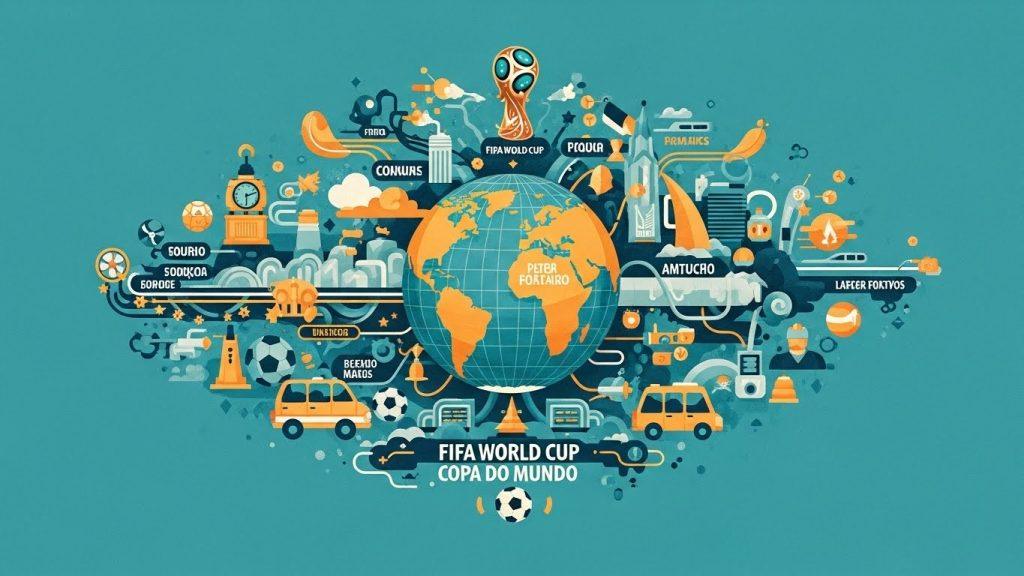
Every four years, the world gathers to witness the greatest spectacle in sports—the FIFA World Cup, known in many parts of the world as the Copa do Mundo. It is not merely a tournament; it is a cultural phenomenon that transcends borders, uniting people of different backgrounds through the universal language of football. This grand event has a profound impact on global football culture, influencing everything from fan engagement and media coverage to the development of the sport itself.
The Globalization of Football Through Copa do Mundo
The Copa do Mundo has played a pivotal role in globalizing football. The tournament brings together countries from every continent, providing a platform for diverse teams to showcase their skills on a global stage. This exposure not only enhances the visibility of football in participating countries but also inspires non-traditional footballing nations to invest in the sport.
For instance, countries like the United States and Japan have experienced a surge in football popularity and development following their participation in the World Cup. The tournament acts as a catalyst, encouraging nations to improve their football infrastructure and invest in youth development programs.
Football Culture and Fan Engagement
The Copa do Mundo has a unique ability to galvanize fan engagement. It instills a sense of national pride and camaraderie among fans, who come together to support their teams. The tournament is marked by vibrant displays of culture, with fans donning colorful attire, singing anthems, and celebrating their heritage.
Moreover, the World Cup has contributed to the emergence of fan zones and public viewing areas, where people gather to watch matches on big screens. These communal experiences enhance the social aspect of football, allowing fans to share the highs and lows of the tournament with others.
Media and Broadcasting Revolution
The Copa do Mundo has significantly influenced the way football is broadcasted and consumed. With billions of people tuning in to watch the matches, the tournament has driven advancements in broadcasting technology and coverage. High-definition cameras, multiple angle shots, and expert commentary have become standard, elevating the viewing experience for fans worldwide.
Additionally, the digital age has further revolutionized how fans engage with the tournament. Social media platforms provide real-time updates, interactive content, and a space for fans to express their opinions. This digital transformation has made the World Cup more accessible, allowing fans to connect with the event from anywhere in the world.
Economic Impact and Development
The economic impact of the Copa do Mundo extends beyond the host nation. While the host country often experiences a boost in tourism and infrastructure development, the tournament also stimulates economic activity globally. Merchandise sales, broadcasting rights, and sponsorship deals contribute significantly to the global football economy.
Furthermore, the World Cup encourages investment in football at the grassroots level. Countries recognize the potential of football as a vehicle for economic growth, leading to increased funding for academies, training facilities, and youth programs.
Legacy and Long-term Effects
The legacy of the Copa do Mundo is multifaceted. For host nations, the tournament leaves behind improved infrastructure, such as stadiums, transportation networks, and accommodations. These developments benefit the country long after the final whistle.

On a cultural level, the World Cup fosters a deeper appreciation for football and its unifying power. It brings attention to social issues, promotes cultural exchange, and encourages dialogue among nations. The tournament’s legacy is evident in the increased participation in football across all levels, from amateur to professional.
The Role of Technology in Enhancing the Spectacle
Technology has played a crucial role in enhancing the spectacle of the Copa do Mundo. Innovations such as goal-line technology and the Video Assistant Referee (VAR) have improved the accuracy of officiating, ensuring fair play and reducing controversies.
Moreover, advancements in stadium technology, including high-tech lighting and sound systems, have enhanced the fan experience, creating an electrifying atmosphere. Fans can also engage with interactive apps that provide statistics, highlights, and personalized content, further immersing them in the tournament experience.
Social and Political Dimensions
The Copa do Mundo also intersects with social and political dimensions. It has been a platform for addressing social issues, such as racism and inequality, with organizations and players using the tournament to advocate for positive change. The visibility of the World Cup amplifies these messages, prompting global discussions and actions.
Politically, the tournament can impact international relations. It provides a stage for diplomacy and cultural exchange, as leaders and dignitaries attend matches and engage in dialogue. The World Cup can foster goodwill among nations, promoting a spirit of cooperation and mutual respect.
Challenges and Criticisms
Despite its many positive impacts, the Copa do Mundo is not without challenges and criticisms. Issues such as the environmental impact of stadium construction, displacement of local communities, and the high costs of hosting the event have been points of contention.
Efforts are being made to address these concerns, with FIFA and host nations implementing sustainability initiatives and community engagement programs. The goal is to ensure that the World Cup leaves a positive and lasting legacy for all involved.
Takeaways
The Copa do Mundo is more than just a football tournament; it is a global celebration of unity, culture, and passion. Its impact on global football culture is profound, influencing the sport’s development, fan engagement, and international relations. As the world eagerly anticipates each edition of the tournament, the legacy of the World Cup continues to inspire generations and shape the future of football.
For those interested in exploring more about the cultural significance of the World Cup, resources such as the Encyclopedia Britannica provide in-depth historical insights, while platforms like The Guardian offer contemporary analyses and coverage, enriching our understanding of this remarkable event.
The Evolution of Football Tactics and Styles
The Copa do Mundo has been instrumental in the evolution of football tactics and playing styles. Each tournament serves as a showcase for new strategies and innovations, as teams and coaches seek to outmaneuver their opponents. This constant evolution keeps the sport dynamic and unpredictable, captivating fans and analysts alike.
Historically, the World Cup has introduced the world to various tactical innovations. The Brazilian flair of the 1970s, the disciplined Italian defense of the 1980s, and the Spanish tiki-taka of the late 2000s are just a few examples of how the tournament has influenced global football tactics. These styles not only define eras but also inspire countless players and coaches around the world.
The Importance of Youth Development and Talent Scouting
The Copa do Mundo also underscores the importance of youth development and talent scouting. As nations strive for glory, the focus on nurturing young talent becomes paramount. The tournament often acts as a launchpad for emerging stars who go on to become household names.
Countries with strong youth development programs, such as Germany and France, have consistently performed well on the world stage. Their success underlines the importance of investing in academies and providing young players with opportunities to develop their skills. This emphasis on youth development has a ripple effect, strengthening the sport at every level.
The Role of Women in Football
While the Copa do Mundo has traditionally been associated with men’s football, the rise of the FIFA Women’s World Cup has been a significant milestone in promoting gender equality in sport. The women’s tournament has gained immense popularity, showcasing incredible talent and breaking down barriers for female athletes.
The growth of the Women’s World Cup has encouraged many countries to invest in women’s football, creating more opportunities for female players and fostering a more inclusive football culture. It has also inspired young girls worldwide to pursue their dreams in a sport that was once dominated by men.
Historical Moments and Iconic Matches
The Copa do Mundo is replete with historical moments and iconic matches that have become etched in the annals of football history. From Diego Maradona’s “Hand of God” goal to Zinedine Zidane’s headbutt in the 2006 final, the World Cup has provided unforgettable drama and narratives.
These moments resonate with fans, becoming part of the collective memory and folklore of the sport. They are retold and relived through documentaries, books, and articles, keeping the magic of the World Cup alive for future generations.
Looking Ahead: The Future of Copa do Mundo
As we look to the future, the Copa do Mundo is poised to continue its impact on global football culture. The upcoming tournaments promise to bring new innovations, expanded formats, and greater inclusivity. With the introduction of technologies like artificial intelligence and virtual reality, the fan experience is set to become even more immersive.
Furthermore, the tournament’s ability to bring nations together in a spirit of friendly competition remains its most enduring legacy. As the world changes, the World Cup will continue to adapt and inspire, remaining a beacon of hope and unity in an increasingly divided world.
Final Thoughts
The Copa do Mundo is more than just a football tournament; it is a global celebration that transcends the boundaries of sport. Its impact on global football culture is immeasurable, influencing everything from tactics and youth development to media coverage and social change. As we look forward to future editions, the World Cup will undoubtedly continue to captivate and inspire, leaving an indelible mark on the world of football and beyond.
For further insights into the history and cultural impact of the World Cup, resources like History.com and National Geographic offer comprehensive analyses and explorations that enrich our understanding of this extraordinary event.
About the Author