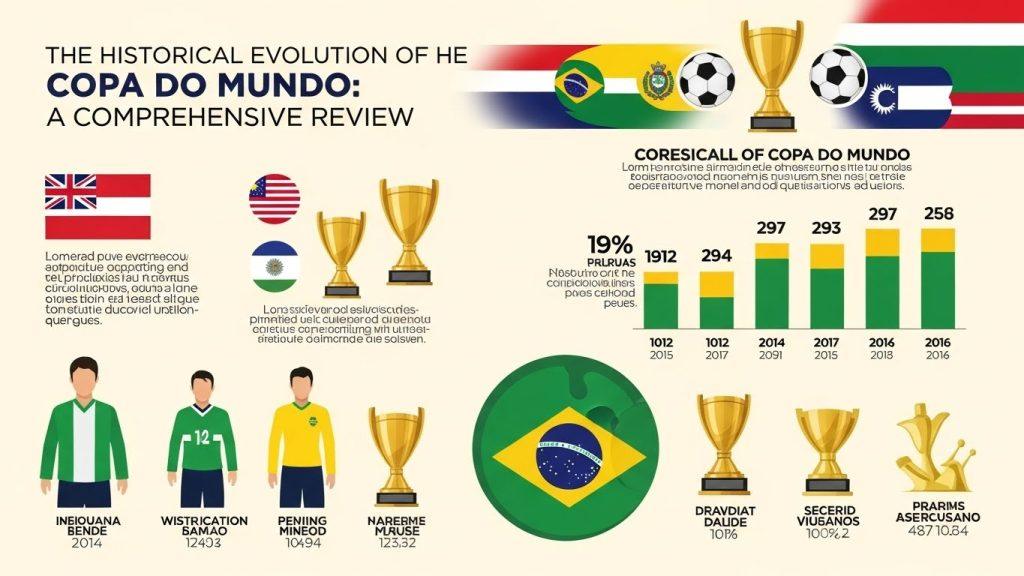
The Historical Evolution of the Copa do Mundo: A Comprehensive Review
The Copa do Mundo, known globally as the FIFA World Cup, stands as one of the most prestigious tournaments in the world of football. Since its inception in 1930, it has been the ultimate test of skill, strategy, and national pride. Over the decades, the tournament has not only evolved in its format and reach but has also reflected the changing dynamics of global football. This article delves into the rich history of the Copa do Mundo, highlighting its evolution and impact on the sport.
Origins and Early Years
The first FIFA World Cup was held in 1930 in Uruguay. The choice of Uruguay as the host nation was symbolic, as the country was celebrating its centenary of independence and had won the Olympic football tournaments in 1924 and 1928. Thirteen teams participated in this inaugural event, reflecting the enthusiasm and competitive spirit of the era. The tournament was a huge success, culminating in a victory for the host nation, Uruguay.
The Post-War Era and Expansion
World War II led to the cancellation of the World Cup in 1942 and 1946. The competition resumed in 1950 in Brazil, marking a new chapter in the history of the tournament. The post-war era saw the World Cup expand, with more teams from different continents participating. This expansion was crucial for the global appeal of football. Brazil’s Maracanã Stadium, where the final match of the 1950 World Cup was held, remains an iconic symbol of this period.
The Golden Years: 1958 to 1970
The period from 1958 to 1970 is often referred to as the “Golden Years” of the World Cup. This era saw the emergence of legendary players like Pelé and Garrincha, who helped Brazil secure three titles during these years. The 1970 World Cup in Mexico was particularly memorable, as it introduced innovations like color television broadcasts, which significantly increased the tournament’s global audience. The Brazilian team’s victory in 1970, led by Pelé, is considered one of the greatest achievements in football history.
Modernization and Globalization
The 1980s and 1990s were transformative decades for the World Cup. This period was marked by the introduction of new technologies and the expansion of the tournament to include more teams. The 1982 World Cup in Spain featured 24 teams, up from the previous 16, allowing more nations to participate on the world stage. The 1994 World Cup in the United States was a landmark event, as it set new records for attendance and brought the sport to a wider audience in North America.
The 21st Century: Inclusivity and Innovation
The new millennium brought further changes to the World Cup. The 2002 tournament, co-hosted by South Korea and Japan, was the first to be held in Asia, highlighting the growing popularity of football in the region. This era also saw the introduction of advanced technologies like goal-line technology and VAR (Video Assistant Referee) to ensure fair play. The tournament continued to expand, with the 1998 World Cup featuring 32 teams, a format that lasted until 2022, when FIFA announced further expansion plans.
Impact and Cultural Significance
The Copa do Mundo has had a profound impact not only on football but also on global culture. It has been a platform for showcasing national pride, fostering unity, and breaking down cultural barriers. The tournament has produced countless memorable moments, from Diego Maradona’s “Hand of God” in 1986 to Zinedine Zidane’s headbutt in 2006. Each World Cup serves as a reflection of its time, capturing the socio-political dynamics and technological advancements of the era.
Future Prospects and Challenges

As we look towards the future, the Copa do Mundo faces both exciting prospects and significant challenges. The decision to expand the tournament to 48 teams by 2026 is a testament to the growing popularity and inclusivity of the sport. However, this expansion also presents logistical challenges, including concerns about venue capacity, scheduling, and the environmental impact of hosting such a large event. The 2026 World Cup, set to be hosted jointly by the United States, Canada, and Mexico, will be a key test of these new dynamics.
Takeaways
The historical evolution of the Copa do Mundo reflects the changes and growth in global football over nearly a century. From its humble beginnings in Uruguay to becoming a worldwide phenomenon, the World Cup has continually adapted and thrived amidst a rapidly changing world. As the tournament continues to evolve, it remains a powerful symbol of international camaraderie and the unifying power of sport. For more insights into the history and impact of the World Cup, consider visiting this comprehensive resource on the history of the World Cup.
Technological Advancements and Their Influence
In recent years, technology has played an increasingly significant role in shaping the experience and outcomes of the Copa do Mundo. The introduction of goal-line technology and the Video Assistant Referee (VAR) system have sparked debates about the balance between human judgment and technological precision. These innovations aim to reduce errors and ensure fair play, yet they also bring challenges regarding their implementation and impact on the flow of the game.
Moreover, advancements in broadcasting and digital media have transformed how fans interact with the World Cup. High-definition and 4K broadcasts, alongside streaming platforms, have made the tournament more accessible than ever before. Social media platforms also play a crucial role, allowing fans worldwide to engage in real-time discussions and share their experiences, thus enhancing the communal aspect of the event.
Environmental and Economic Considerations
With the growth of the World Cup, environmental and economic considerations have become increasingly prominent. The construction of stadiums and infrastructure necessary to host the event can have significant environmental impacts. The 2014 World Cup in Brazil, for example, faced criticism for the environmental footprint and the displacement of local communities due to construction projects.
On the economic front, while the World Cup can boost tourism and global attention, the financial burden on host countries can be considerable. The cost of organizing the tournament often runs into billions of dollars, and the long-term benefits are sometimes debated. Nevertheless, the economic opportunities and global visibility provided by the World Cup can be substantial, as evidenced by the increased tourism and business investments in previous host nations.
The Role of Women in the World Cup
The role and visibility of women in the World Cup have evolved significantly. The FIFA Women’s World Cup, first held in 1991, has grown alongside its male counterpart, highlighting the increasing global interest in women’s football. The 2019 Women’s World Cup in France set new records for viewership and attendance, underscoring the growing popularity and importance of the women’s game.
Efforts to promote gender equality and provide equal opportunities in football continue to be a focus for FIFA and other governing bodies. The visibility and success of female athletes in the World Cup have inspired a new generation of players, contributing to the broader movement for gender equality in sports.
Looking Ahead: The World Cup in a Changing Global Landscape
As the Copa do Mundo continues to evolve, it faces the challenge of navigating a changing global landscape. The tournament must adapt to shifting geopolitical dynamics, cultural expectations, and advancements in technology. The future success of the World Cup will depend on its ability to remain inclusive, sustainable, and reflective of the diverse cultures and values it represents.
The decision to host the 2022 World Cup in Qatar, for instance, highlights the ongoing challenges and opportunities in organizing such a global event. Issues related to climate, human rights, and logistical planning are at the forefront of discussions, prompting FIFA and host countries to implement innovative solutions and policies.
In conclusion, the Copa do Mundo is more than just a football tournament; it is a global celebration of the sport, culture, and unity. As it continues to evolve, it serves as a testament to the enduring appeal and transformative power of football. For those interested in exploring more about the World Cup’s impact and future, additional resources are available, including detailed analyses and historical accounts of past tournaments.
Challenges and Controversies
No global sporting event is without its controversies, and the Copa do Mundo is no exception. Throughout its history, the tournament has faced numerous challenges that have sparked debates around the world. For instance, the 1978 World Cup in Argentina was heavily criticized for being hosted during a military dictatorship, raising concerns about human rights abuses and the political use of sports as propaganda.
More recently, the 2018 World Cup in Russia faced scrutiny over issues related to political tensions and the country’s human rights record. Similarly, the awarding of the 2022 World Cup to Qatar has been contentious, with allegations of corruption in the bidding process and concerns about the treatment of migrant workers involved in building the tournament’s infrastructure.
Socio-Political Impact
The World Cup often mirrors the socio-political climate of its time, influencing and being influenced by global events and trends. The tournament has the power to unite nations and bring attention to important social issues. For example, the 2010 World Cup in South Africa was more than just a sporting event; it was a symbol of the country’s post-apartheid progress and a celebration of African culture on the world stage.
Football has also been used as a platform to promote social change, with players and teams using their global visibility to advocate for causes such as racial equality and LGBTQ+ rights. The World Cup provides an opportunity for these messages to reach a vast audience, highlighting the sport’s role in shaping cultural and social narratives.
The Evolution of Fan Experience
The experience of fans attending and watching the World Cup has transformed dramatically over the years. From the early days of radio broadcasts to today’s immersive digital experiences, the way fans engage with the tournament has evolved alongside technological advancements.
Virtual reality and augmented reality are beginning to play a role in how fans experience matches, offering new and exciting ways to engage with the game. Additionally, the proliferation of social media has created a global community of fans who can share their passion for football regardless of geographical boundaries. The World Cup’s ability to bring people together, both physically and virtually, underscores its unique position in the world of sports.
Conclusion: The Enduring Legacy of the Copa do Mundo
The Copa do Mundo’s rich history and ongoing evolution make it a unique and enduring symbol of global unity and sporting excellence. As the tournament continues to adapt to the changing world, it remains a powerful platform for showcasing the best of football while reflecting the cultural and social dynamics of its time.
Looking ahead, the World Cup will undoubtedly continue to capture the imagination of millions, inspiring future generations of players and fans alike. Its legacy will be shaped by the challenges it faces and the opportunities it seizes, ensuring that the tournament remains an integral part of the global sporting landscape. For those who wish to learn more about the fascinating history and future prospects of the World Cup, consider exploring additional resources such as this detailed overview of the tournament’s evolution.
About the Author