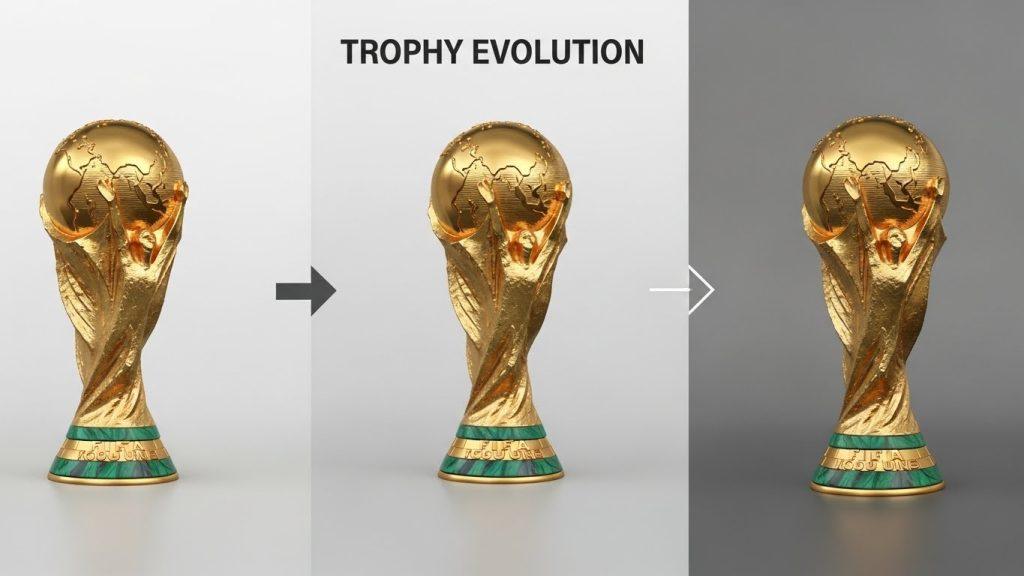
The Historical Evolution of the Copa do Mundo: A Comprehensive Review
The Copa do Mundo, or the FIFA World Cup, stands as one of the most prestigious and widely viewed sporting events across the globe. With its inception in 1930, it has evolved significantly, reflecting not only the history of football but also the cultural and political changes of the world. This article delves into the rich history of the Copa do Mundo, exploring its origins, development over the decades, and its profound impact on international football.
Origins of the Copa do Mundo
The idea of an international football tournament was first proposed in the early 20th century. Football’s rising popularity, especially in Europe and South America, necessitated a global competition that could determine the best national team. The first FIFA World Cup was held in Uruguay in 1930. This choice was significant as Uruguay was celebrating its centenary of independence and had won the Olympic football tournament in 1924 and 1928.
The inaugural tournament featured 13 teams, primarily from Europe and the Americas. Uruguay emerged victorious, defeating Argentina 4-2 in a thrilling final. The success of this tournament laid the groundwork for future competitions, establishing the World Cup as the pinnacle of international football competitions.
Expansion and Globalization (1934-1978)
The 1934 World Cup, held in Italy, marked the beginning of the tournament’s expansion. It was the first World Cup to feature a qualifying stage, a necessary step due to the increased number of interested teams. Italy’s victory in the tournament showcased the European style of play, contrasting with the South American approach.
Post-World War II, the World Cup resumed in 1950 in Brazil, featuring the famous Maracanazo, where Uruguay defeated Brazil in the final match, a result that stunned the host nation. The 1950 tournament was unique as it didn’t have a knockout final but a final group stage to determine the winner.
The subsequent decades saw the World Cup grow in prestige and reach. The 1954 tournament in Switzerland introduced television broadcasts, bringing the spectacle to a global audience. By 1978, the World Cup in Argentina had become a significant event with increasing commercial and media interest, paving the way for the modern football era.
The Modern Era: Commercialization and Innovation (1982-2002)
The 1980s marked a new era for the World Cup, characterized by commercialization and technological advancements. The 1982 World Cup in Spain expanded the tournament to 24 teams, allowing greater diversity of competition and representation from more continents. This period also saw the rise of legendary players like Diego Maradona, whose “Hand of God” goal and exceptional skill helped Argentina win the 1986 World Cup in Mexico.
The 1990s furthered the World Cup’s global appeal. The 1994 tournament in the United States was a landmark event, attracting record attendance figures and significantly boosting football’s popularity in North America. The introduction of modern broadcasting techniques and increased sponsorship deals transformed the World Cup into a multi-billion dollar event.
By 1998, the tournament in France expanded to 32 teams, reflecting the growing number of competitive footballing nations. The 2002 World Cup, co-hosted by South Korea and Japan, was the first to be held in Asia, marking the sport’s increasing globalization.
Recent Developments and Future Prospects (2006-Present)
The 21st century has seen the World Cup continue to evolve with advancements in technology and changes in global dynamics. The 2006 World Cup in Germany was notable for its organizational efficiency and vibrant fan culture. The 2010 tournament in South Africa was historic as it was the first to be held on the African continent, highlighting the sport’s universal appeal.

Brazil hosted the 2014 World Cup, providing a festival of football celebrated by fans worldwide. The tournament was noteworthy for Germany’s dominant performance and the infamous 7-1 semi-final victory over Brazil. The 2018 World Cup in Russia introduced VAR (Video Assistant Referee), showcasing how technology could enhance decision-making in matches.
The future of the World Cup looks promising, with Qatar set to host the 2022 tournament, the first in the Middle East. This event aims to provide a unique cultural experience while addressing logistical challenges such as climate and compact hosting. Plans for a 48-team tournament in 2026, to be jointly hosted by the United States, Canada, and Mexico, promise an even broader platform for international competition.
The Impact of the Copa do Mundo
The Copa do Mundo has had an indelible impact on global football, transcending sport to influence social, political, and economic spheres. It has been a stage for showcasing national pride and sportsmanship, often reflecting broader societal issues. The tournament has seen moments of political significance, such as the 1978 World Cup in Argentina, held under a military dictatorship, and the 1998 World Cup in France, celebrated for its multicultural team symbolizing national unity.
Economically, the World Cup generates substantial revenue for host nations, though it also raises concerns about costs and long-term benefits. The tourism, infrastructure development, and global attention associated with the tournament can provide lasting impacts, as seen in countries like South Africa and Brazil.
The cultural influence of the World Cup is undeniable, uniting diverse populations through a shared passion for football. It has inspired countless individuals, fostered international camaraderie, and continues to be a powerful force in promoting inclusivity and understanding worldwide.
Takeaways
The historical evolution of the Copa do Mundo reflects the dynamic nature of football and its ability to bring the world together. From its humble beginnings in 1930 to the expansive and technologically advanced tournaments of the present, the World Cup remains a celebration of athletic excellence and cultural diversity. As the tournament continues to evolve, it will undoubtedly remain a beacon of global unity, capturing the hearts of millions and inspiring future generations of football enthusiasts.
For those interested in learning more about the Cup’s history, the ESPN World Cup history page offers a detailed exploration of each tournament’s intricacies and memorable moments. Additionally, the History channel provides an extensive overview of the World Cup’s historical context and its impact on the world stage.
Technological Advancements and Their Influence
As technology continues to advance, so does its impact on the Copa do Mundo. From improved broadcasting techniques to the introduction of goal-line technology, the role of technology in football has been transformative. The implementation of the Video Assistant Referee (VAR) system in the 2018 World Cup marked a significant milestone in ensuring fair play and accurate officiating. While VAR has sparked debates among fans and experts alike, its use underscores a commitment to leveraging technology for enhancing the integrity of the game.
In addition to officiating, technology has revolutionized player training and performance analysis. Advanced data analytics allow teams to assess player fitness, optimize strategies, and tailor training programs to maximize performance. Wearable technology and sophisticated software provide real-time insights into player movements and health, enabling coaches to make informed decisions that can influence match outcomes.
Socio-Political Influences on the World Cup
The Copa do Mundo has often been a platform where socio-political issues come to the forefront. The intersection of football and politics is evident in various editions of the World Cup, where the tournament has been used to project national pride or bring attention to political matters. For instance, the 1974 World Cup witnessed the famous ‘Cruyff Turn’ by Johan Cruyff, which became a symbol of the Netherlands’ innovative approach during a time of social change in Europe.
More recently, the 2022 World Cup in Qatar has been under scrutiny regarding human rights issues and the treatment of migrant workers. These concerns highlight the complex relationship between global events and socio-political dynamics, prompting discussions about the responsibilities of host nations and international governing bodies in upholding ethical standards.
Women’s Football and the World Cup
The evolution of women’s football is another significant aspect of the Copa do Mundo’s history. The inaugural FIFA Women’s World Cup was held in 1991, marking a pivotal moment for gender equality in sports. Since then, women’s football has gained tremendous popularity and recognition, with the 2019 Women’s World Cup in France setting new records for viewership and attendance.
The growth of women’s football reflects broader societal changes and efforts towards inclusivity and equality in sports. As women’s teams continue to excel on the world stage, their achievements inspire a new generation of female athletes and challenge traditional perceptions of football as a male-dominated sport.
The Cultural Festival of the World Cup
One of the most cherished aspects of the Copa do Mundo is its ability to transform into a global cultural festival. The World Cup is not just about football; it is a celebration of diversity and international camaraderie. Fans from different countries come together, showcasing their unique traditions, music, and culinary delights, creating a vibrant tapestry of cultures.
The fan experience is a crucial component of the World Cup’s allure. From the colorful parades to the passionate chants echoing in stadiums, the energy and excitement of fans contribute to the tournament’s festive atmosphere. The cultural exchange that occurs during the World Cup fosters understanding and appreciation among nations, emphasizing the unifying power of sports.
The Future of the Copa do Mundo
Looking ahead, the Copa do Mundo’s future is filled with possibilities and challenges. The expansion to 48 teams in 2026 aims to make the tournament more inclusive, providing opportunities for emerging football nations to participate on the world stage. This expansion promises to enhance the competitive spirit of the World Cup, offering fans a broader array of matchups and narratives.
However, the future also brings challenges, such as addressing concerns about the environmental impact of hosting large-scale events. Sustainability initiatives will play a crucial role in ensuring that the World Cup leaves a positive legacy for host countries and the planet. Innovations in stadium design, transportation, and waste management are essential to creating eco-friendly tournaments that align with global sustainability goals.
Conclusion: The Everlasting Legacy of the World Cup
The historical evolution of the Copa do Mundo reflects not only the development of football as a sport but also the changing landscapes of culture, technology, and society. As a global event, the World Cup continues to captivate audiences, inspire athletes, and bridge cultural divides. Its legacy is one of unity, passion, and the relentless pursuit of excellence, qualities that will undoubtedly endure for generations to come.
For those eager to explore more about the World Cup’s influence and future prospects, the Guardian’s World Cup coverage provides insightful analysis and updates on the tournament’s developments. With each edition, the Copa do Mundo reinforces its status as a monumental celebration of football and human spirit, a testament to the universal appeal of the beautiful game.
About the Author