Exploring the Role of Technology in Copa do Mundo: A Closer Look at VAR The world of soccer has witnessed a plethora of evolutions over the decades, with one of the most profound being the i.
futebolnewsbr.comBrazil football news and transfer analysis.
“Exploring the Role of Technology in Copa do Mundo: A Closer Look at VAR”
Updated: April 9, 2026
Exploring the Role of Technology in Copa do Mundo: A Closer Look at VAR
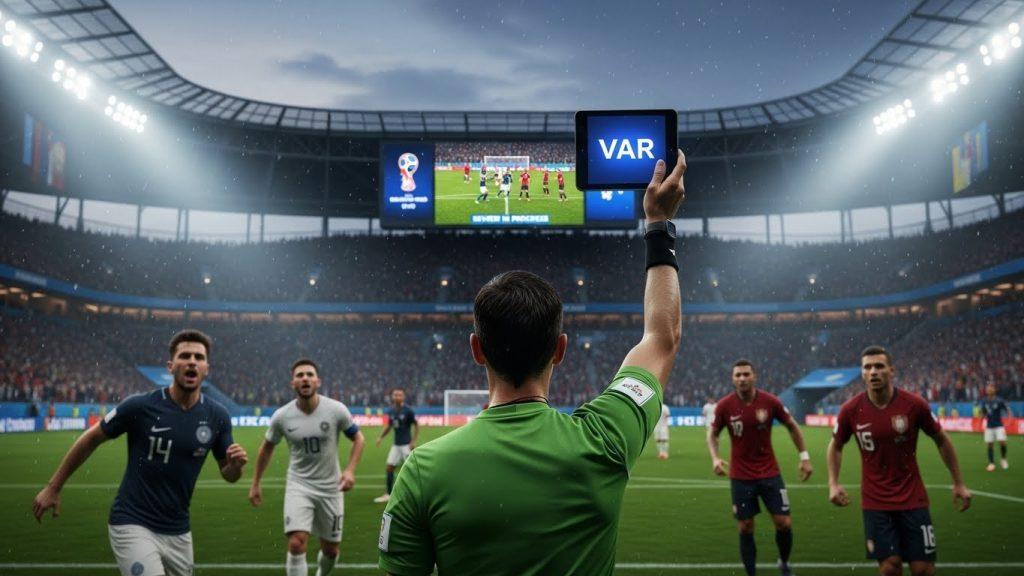
The world of soccer has witnessed a plethora of evolutions over the decades, with one of the most profound being the integration of technology. Among these technological advancements, the Video Assistant Referee (VAR) system stands out as a game-changer, especially in prestigious tournaments like the Copa do Mundo. As fans, analysts, and players continue to debate its impact, it becomes essential to delve deeper into how VAR is reshaping the beautiful game.
The Emergence of VAR in Soccer
Before unraveling its role in the Copa do Mundo, it’s vital to understand the genesis of VAR. Introduced to eliminate human errors in officiating, VAR provides referees with a second pair of eyes, using video technology to review decisions made during matches. This system was officially introduced by FIFA in 2018, after extensive trials and refinements.
The primary objective of VAR is to assist in four crucial match-changing situations: goals, penalties, direct red cards, and cases of mistaken identity. Its implementation aimed to bring more fairness and accuracy to the sport, reducing the margin for error that human referees inevitably encounter.
VAR’s Impact on Copa do Mundo
The Copa do Mundo, known globally as the FIFA World Cup, is soccer’s most prestigious tournament. The stakes are high, the pressure immense, and the margin for error minuscule. In such an environment, the role of VAR becomes even more pronounced.

Since its introduction, VAR has played a pivotal role in numerous matches, ensuring that critical decisions are made with utmost precision. For example, during the 2018 World Cup in Russia, VAR was used extensively to review contentious goals and penalties, which many argue led to more transparent outcomes.
Moreover, VAR has altered the dynamics of the game, with teams and coaches adjusting their strategies, knowing that every decision is subject to review. This has led to a more cautious approach in certain scenarios, especially in the penalty area, where players are aware that any foul play could be scrutinized.
Advantages of VAR in Soccer
One of the most significant advantages of VAR is its ability to rectify blatant errors. A goal wrongly disallowed or a penalty unjustly awarded can alter the course of a match, and by extension, the entire tournament. VAR minimizes these occurrences, ensuring that the outcome is as fair as possible.
Another benefit is the psychological impact on players and referees. Knowing that every decision can be reviewed deters players from engaging in unsportsmanlike conduct, such as diving or faking injuries. Similarly, referees can officiate with greater confidence, knowing they have technological support.
Furthermore, VAR has sparked discussions and increased viewer engagement. Fans are now more involved, analyzing decisions and understanding the intricacies of the game better. This enhanced engagement can be seen in the growing popularity of soccer-related forums and debates.
Challenges and Criticisms of VAR
Despite its advantages, VAR is not without its critics. One of the primary concerns is the disruption of the game’s flow. Soccer is a fluid sport, and frequent stoppages for VAR reviews can break the momentum, potentially affecting team performance and viewer experience.

Additionally, the subjectivity in decision-making remains a concern. While VAR provides video evidence, the final decision still relies on the referee’s interpretation. This has led to controversies, where fans and analysts argue over decisions even after reviews.
There are also technical challenges, such as ensuring the accuracy of offside lines and the reliability of the technology in various stadiums worldwide. These issues must be addressed to maintain the integrity and efficiency of VAR.
Future of VAR in International Tournaments
As technology continues to evolve, so too will VAR. Its integration into the Copa do Mundo is just the beginning. Future iterations of VAR may involve more advanced technologies, such as AI-driven analysis and real-time feedback, further enhancing decision-making accuracy.
Moreover, FIFA and other governing bodies are continuously refining the rules and protocols surrounding VAR. This includes reducing review times and improving communication with fans, ensuring that the system becomes a seamless part of the game.
As the use of VAR expands, it is crucial for stakeholders, including FIFA, to engage with fans and players, addressing concerns and gathering feedback to optimize its implementation. The goal should be to maintain the spirit of the game while leveraging technology for fair play.
Conclusion: Embracing Technology for a Fairer Game
The introduction of VAR in the Copa do Mundo marks a significant shift in how soccer is officiated. While it has its challenges, the potential benefits in terms of fairness and accuracy are undeniable. As the sport continues to embrace technology, it is crucial to strike a balance between tradition and innovation.
Ultimately, the success of VAR depends on continuous improvement, transparent communication, and a commitment to preserving the integrity of soccer. As fans, players, and officials adapt to this new era, the hope is that VAR will enhance the beautiful game, making it more equitable and enjoyable for all.
For a deeper understanding of the impact of technology in soccer, readers can explore resources available on UEFA and The Guardian. These platforms offer insights into how technological advancements are shaping the future of the sport globally.
Real-World Examples of VAR in Action
To truly appreciate the impact of VAR, it’s helpful to examine real-world examples where the technology has decisively influenced match outcomes. During the 2018 FIFA World Cup, one of the most talked-about instances occurred during the match between Portugal and Iran. Late in the game, a controversial penalty was awarded to Iran following a VAR review, resulting in a 1-1 draw that had significant implications for the group standings.
Another memorable moment came in the same tournament when South Korea faced Germany. VAR was used to confirm South Korea’s second goal, which eliminated the former champions from the tournament, highlighting how crucial and game-changing a single decision can be in the context of the World Cup.
These examples demonstrate not only the capability of VAR to alter the outcome of a match but also its power to influence the broader narrative of a tournament. For more detailed analysis, BBC Sport provides comprehensive coverage and reviews of these significant moments.
The Cultural Impact of VAR
Beyond the tactical and technical aspects, VAR has also created ripples in the cultural landscape of soccer. In regions where soccer is more than just a sport, such as South America and Europe, VAR has become a topic of daily conversation. From cafes to online forums, discussions about controversial decisions and the role of technology in the sport are common.
This cultural shift reflects a broader acceptance of technology in everyday life. As fans become more accustomed to instant replays and technology-driven decisions, their expectations for transparency and fairness in sports have grown. This change is a testament to how technology can influence societal norms and perceptions, even in time-honored traditions like soccer.
Further insights into the cultural implications of VAR and technology in soccer can be explored at ESPN Soccer, which offers a wide range of articles and opinion pieces on the subject.
Improving the VAR Experience
While VAR is a work in progress, several ideas have been proposed to improve its integration in soccer. One such proposal is the use of enhanced communication systems that would allow referees to explain their decisions to the crowd, similar to what is seen in American football. This transparency could help demystify controversial decisions and improve fan understanding and acceptance.
Another suggestion involves shortening review times. By investing in more efficient technology and better training for officials, the aim is to make VAR reviews quicker, minimizing disruptions to the game. Additionally, expanding the scope of reviewable plays might also be considered, ensuring that all potentially game-altering decisions can be scrutinized.
As the system evolves, it will be crucial for soccer’s governing bodies to remain flexible and open to feedback. By continually refining the process, VAR can become an even more integral and accepted part of the sport, enhancing its fairness and excitement.
Final Thoughts on VAR and the Future of Soccer
The introduction of VAR into the Copa do Mundo and soccer as a whole represents a significant shift in how the sport is played and perceived. While challenges remain, the potential for creating a fairer, more equitable game is immense. As technology continues to advance, so too will the opportunities to enhance the sport we love.
Soccer is at a crossroads, blending tradition with innovation. VAR is just one aspect of this transformation, but its influence is profound. As fans, players, and officials navigate this new landscape, the ultimate goal remains the same: to keep the spirit of the game alive while embracing the tools that can make it even better.
For those interested in staying updated on the latest developments in soccer technology, including VAR, visiting FourFourTwo can provide valuable insights and updates on how the sport is evolving in the digital age.