The Power of Fans in Copa do Mundo: How Supporters Influence the Game The Copa do Mundo, or the FIFA World Cup, is the pinnacle of international football, drawing millions of viewers and ten.
futebolnewsbr.comBrazil football news and transfer analysis.
“The Power of Fans in Copa do Mundo: How Supporters Influence the Game”
Updated: April 9, 2026
The Power of Fans in Copa do Mundo: How Supporters Influence the Game
The Copa do Mundo, or the FIFA World Cup, is the pinnacle of international football, drawing millions of viewers and tens of thousands of passionate fans from around the globe. But beyond the dazzling skills and strategic gameplay lies a significant, often underappreciated factor: the fans. These fervent supporters can sway the momentum of a match, boost player morale, and even influence the outcomes of games. In this comprehensive exploration, we’ll delve into the multifaceted role of fans in the Copa do Mundo, illustrating their profound impact on the beautiful game.
The Historical Influence of Fans in the World Cup
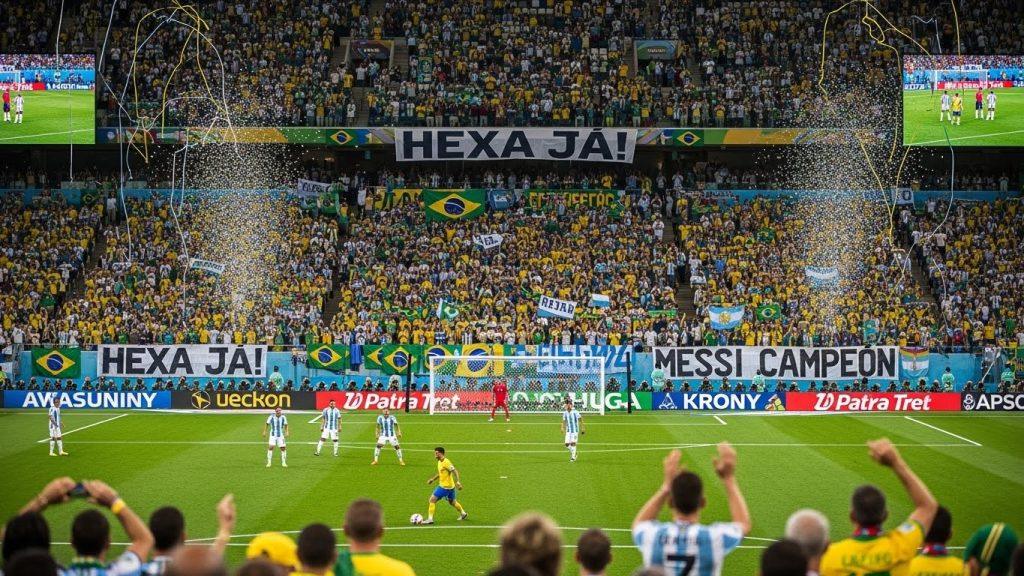
Historically, fans have played a pivotal role in shaping the atmosphere and outcomes of World Cup matches. The tournament’s rich history is peppered with moments where fans have significantly impacted the game. From the roaring chants of the Brazilian torcida to the rhythmic claps of Icelandic supporters, the World Cup has always been a stage where fans amplify the drama and intensity.
One of the most memorable examples was the 1950 World Cup final, held at the Maracanã Stadium in Rio de Janeiro. The match, famously known as the “Maracanazo,” saw Uruguay defeat Brazil in front of nearly 200,000 Brazilian fans. The overwhelming support for the home team created an electric atmosphere, but also immense pressure, which some argue led to Brazil’s unexpected defeat. This instance underscores the dual-edged sword of fan support: while it can inspire, it can also overwhelm.
Fan Support as a Psychological Boost

For players, the psychological impact of fan support cannot be overstated. The roar of the crowd, the waving of national flags, and the unified chants can elevate players’ performances to new heights. When players are backed by a sea of passionate fans, they often find an extra burst of energy and motivation, propelling them to perform beyond their usual capabilities.
A study by the University of Sussex found that athletes could experience a performance boost of up to 12% when supported by a home crowd. This is particularly evident in the World Cup, where national pride is on the line, and fans are more invested than ever. The psychological uplift provided by fans can be the difference between winning and losing, as it pushes players to dig deeper and fight harder.
The Role of Fans in Shaping Game Tactics
Coaches and teams often consider fan presence when devising their strategies. The vociferous support of a home crowd can intimidate visiting teams, leading to altered tactics that account for the hostile environment. For instance, teams may resort to defensive strategies to withstand the initial onslaught from a host nation buoyed by its fans.
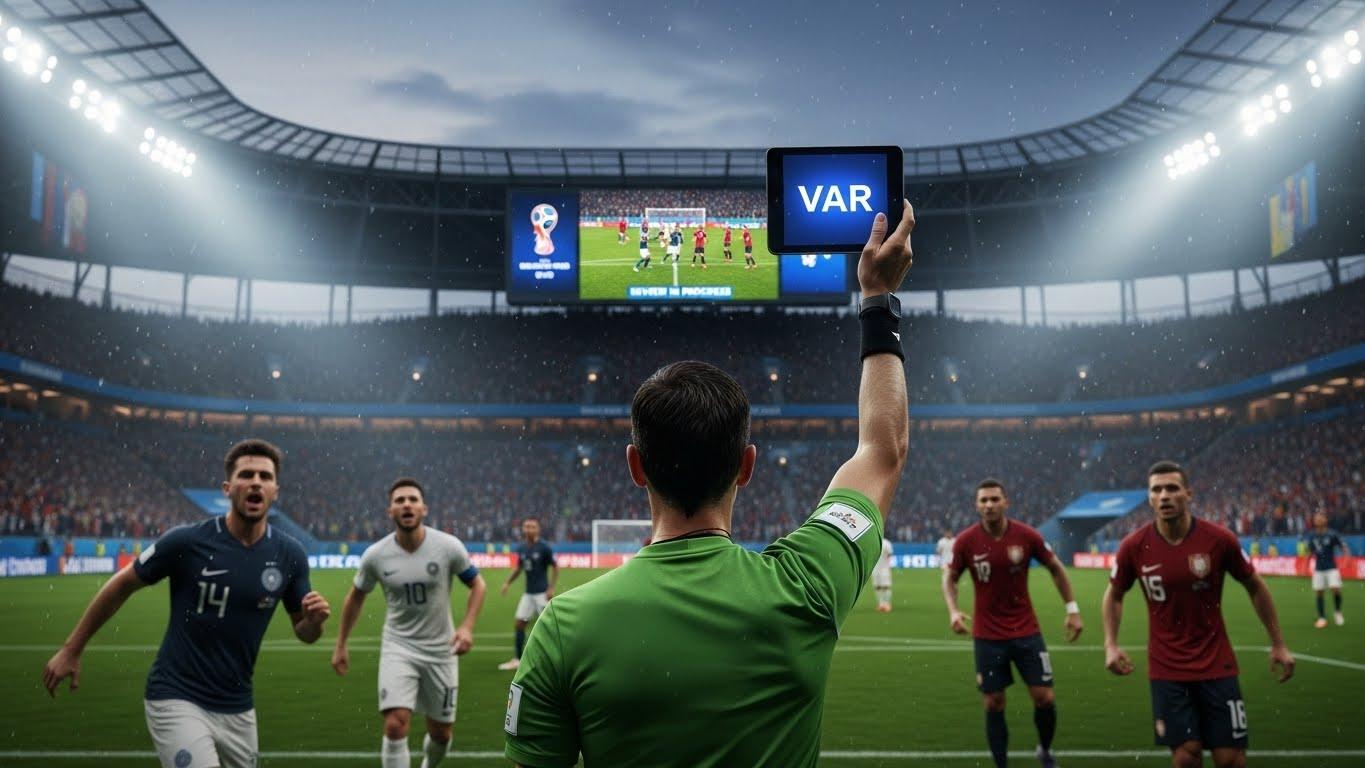
Moreover, the influence of fans extends to how referees officiate games. A study published in the journal Psychology of Sport and Exercise found that referees are more likely to favor the home team in contentious decisions, swayed by the crowd’s reactions. This bias, often subconscious, highlights the subtle yet impactful role fans play in the dynamics of a match.
Creating an Unforgettable Atmosphere
The World Cup is as much about the spectacle as it is about football, and fans are central to creating this unforgettable experience. Each edition of the tournament brings a unique blend of cultures and traditions, with fans adorning colorful costumes, performing traditional dances, and engaging in friendly banter. This cultural exchange enriches the World Cup, making it a celebration of global unity through sport.

One cannot discuss the atmosphere without mentioning the iconic vuvuzelas of the 2010 World Cup in South Africa. While controversial, the droning sound of these instruments became synonymous with that edition of the tournament, adding a distinct auditory identity that fans worldwide remember vividly.
The Economic Impact of Fans
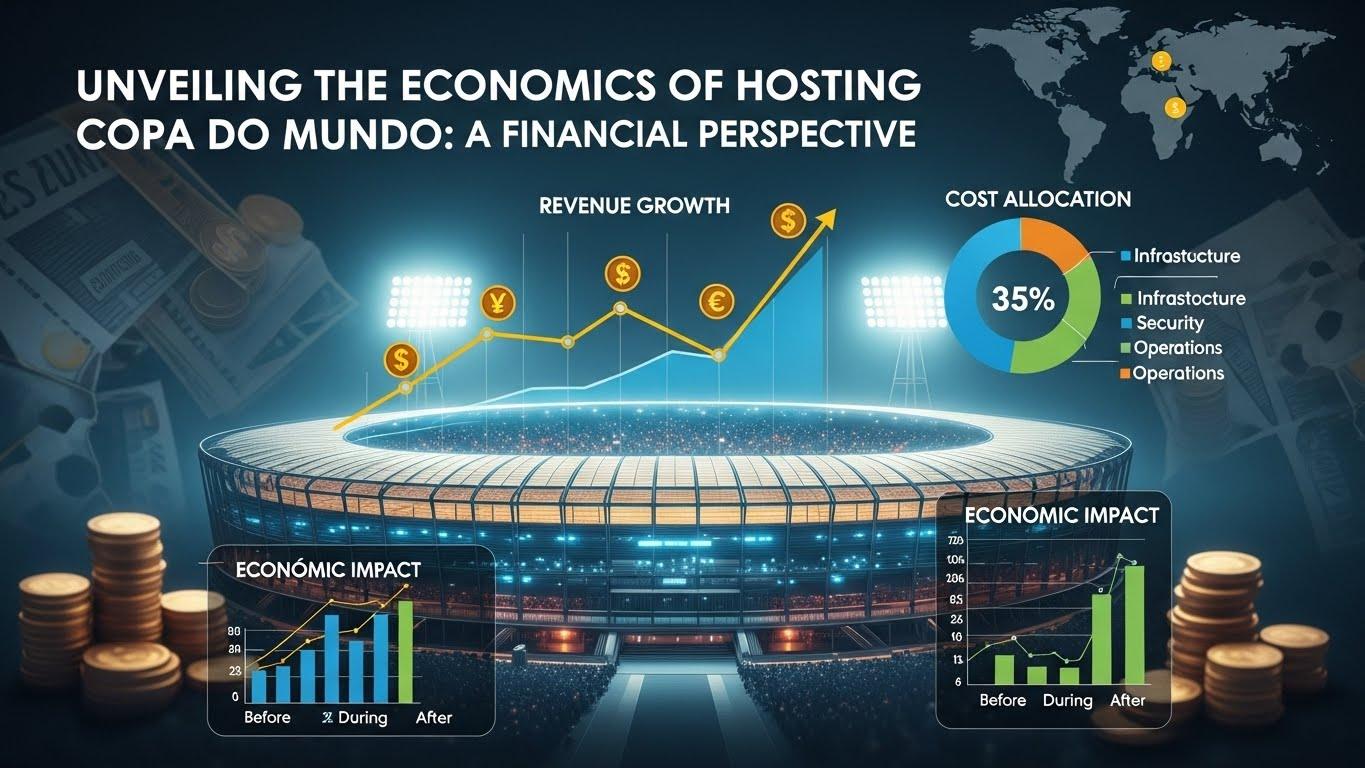
Beyond the emotional and psychological aspects, fans significantly contribute to the economic success of the World Cup. The influx of supporters boosts local economies, as they spend on accommodation, food, transportation, and merchandise. Host cities and countries benefit immensely from the tourism generated by the tournament, with fans often exploring local attractions and experiencing the culture beyond the stadiums.
For instance, the 2018 World Cup in Russia saw over 3 million fans attend the games, injecting billions into the Russian economy. The tournament also provided a platform for Russia to showcase its culture and hospitality to the world, with fans playing a crucial role in spreading positive narratives about their experiences.
Challenges and the Future of Fan Participation
While the power of fans is undeniable, challenges remain in ensuring their positive impact. Issues such as hooliganism, racism, and inappropriate behavior can tarnish the spirit of the game. FIFA and local organizing committees continue to implement measures to promote a welcoming and inclusive environment for all fans.
Looking ahead, the future of fan participation in the World Cup looks promising. Technological advancements, such as virtual reality and enhanced broadcasting, are set to transform how fans engage with the tournament. These innovations will allow more people to experience the magic of the World Cup, even from afar, further amplifying the influence of fans on the game.
Conclusion: The Indispensable Role of Fans
In conclusion, fans are the lifeblood of the Copa do Mundo, breathing energy and emotion into the tournament. Their influence extends beyond the stands, impacting players, tactics, and even the broader economy. As the World Cup continues to evolve, the role of fans will remain crucial, ensuring that this iconic event continues to captivate and inspire generations to come.
Whether you’re a die-hard supporter attending the matches or a passionate fan cheering from home, your presence and enthusiasm are integral to the magic of the World Cup. As we look forward to future tournaments, let us celebrate the enduring power of fans and their unique ability to unite the world through the beautiful game.
Innovations Enhancing Fan Engagement
With each World Cup, technological advancements bring fans closer to the action than ever before. The integration of social media platforms allows supporters worldwide to share their experiences, engage with their favorite teams, and participate in global conversations. Platforms like Twitter and Instagram have become virtual stadiums, where millions of fans express their emotions, share memes, and celebrate goals in real-time.
Moreover, the rise of digital streaming services has made the World Cup more accessible, allowing fans to watch matches on various devices regardless of their location. For instance, the 2018 World Cup saw a significant increase in digital viewership, with many fans opting for online streaming to catch the games live. This shift in viewership dynamics highlights the changing landscape of fan engagement, where accessibility and convenience play pivotal roles.
Furthermore, augmented reality (AR) and virtual reality (VR) technologies are set to revolutionize the fan experience. Imagine watching a World Cup match with VR, where you feel as if you’re sitting in the stadium, surrounded by fellow supporters, immersed in the electrifying atmosphere. These technologies promise to break geographical barriers, offering fans a more immersive and personal experience.
Fan Influence on Team Dynamics and Sponsorships
The influence of fans extends beyond the stadium and into the financial realms of football. Teams with strong fan bases often attract lucrative sponsorship deals, as brands aim to tap into the loyal following of popular teams. This financial support can enhance team facilities, improve training programs, and contribute to overall success on the field.
For example, the partnership between Adidas and the German national team is rooted in the team’s strong fan base and consistent performance. Such collaborations are mutually beneficial, providing brands with global exposure while offering teams additional resources to maintain their competitive edge.
Additionally, fan feedback can influence team decisions, from kit designs to merchandise offerings. National teams often engage with their supporters through surveys and social media polls, ensuring that their choices resonate with the fan base. This collaborative approach strengthens the bond between teams and fans, fostering a sense of community and belonging.
The Cultural Exchange Among Fans
The World Cup is a melting pot of cultures, where fans from diverse backgrounds come together to celebrate their shared love for football. This cultural exchange enriches the tournament, fostering mutual respect and understanding among nations. Fans exchange traditions, languages, and customs, creating friendships that transcend borders.
Events like fan festivals and public viewings provide platforms for this cultural interaction. These gatherings offer fans the opportunity to experience different cuisines, participate in traditional dances, and learn about other nations’ histories and traditions. Such exchanges promote global unity, demonstrating the power of football to bridge cultural divides.
Moreover, fans often return to their home countries with stories and experiences that challenge stereotypes and preconceived notions. This dissemination of positive narratives contributes to a more connected and harmonious world.
Preserving the Spirit of the Game
While the influence of fans is largely positive, it is crucial to preserve the spirit of the game. Organizations like FIFA and local football associations continue to implement initiatives aimed at promoting fair play and respect among fans. Campaigns against racism, violence, and discrimination are vital in maintaining the integrity of the sport.
Furthermore, fan education programs are essential in fostering a culture of respect and inclusivity. These programs emphasize the importance of sportsmanship, encouraging fans to celebrate the sport while respecting opponents and fellow supporters. Such initiatives ensure that future generations inherit a game that is as inclusive as it is exciting.
Conclusion: Celebrating Fan Power
As we reflect on the immense influence of fans in the Copa do Mundo, it is clear that their role extends far beyond mere spectatorship. Fans are active participants, shaping the atmosphere, influencing outcomes, and contributing to the cultural and economic tapestry of the tournament. Their passion and enthusiasm are the heartbeat of the World Cup, infusing the event with energy and excitement.
As we look forward to future editions of the World Cup, let us continue to celebrate the power of fans, recognizing their invaluable contribution to the sport we all love. Whether cheering from the stands or supporting from afar, fans remain the soul of football, uniting the world in a shared celebration of the beautiful game.