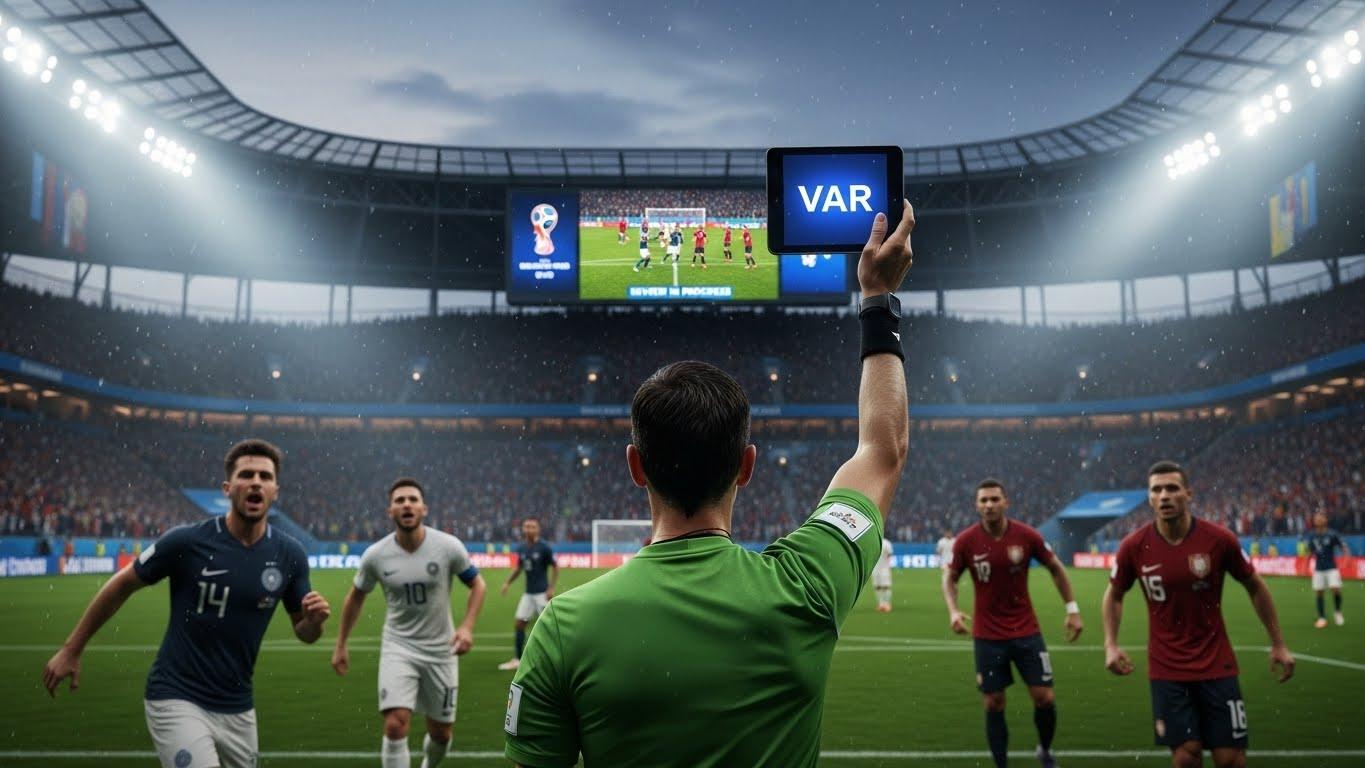
Exploring the Role of Technology in Copa do Mundo: A Closer Look at VAR The Copa do Mundo, or the FIFA World Cup, is not only the pinnacle of international football but also a showcase of ho.
futebolnewsbr.comBrazil football news and transfer analysis.
“Exploring the Role of Technology in Copa do Mundo: A Closer Look at VAR”
Updated: April 9, 2026
Exploring the Role of Technology in Copa do Mundo: A Closer Look at VAR
The Copa do Mundo, or the FIFA World Cup, is not only the pinnacle of international football but also a showcase of how technology is reshaping the sport. One of the most talked-about technological advancements in recent tournaments is the Video Assistant Referee (VAR). This system, designed to aid referees in making more accurate decisions, has transformed the way the game is played and perceived. In this article, we will delve into the intricacies of VAR, its impact on the Copa do Mundo, and what the future holds for technology in football.
The Introduction of VAR in Football
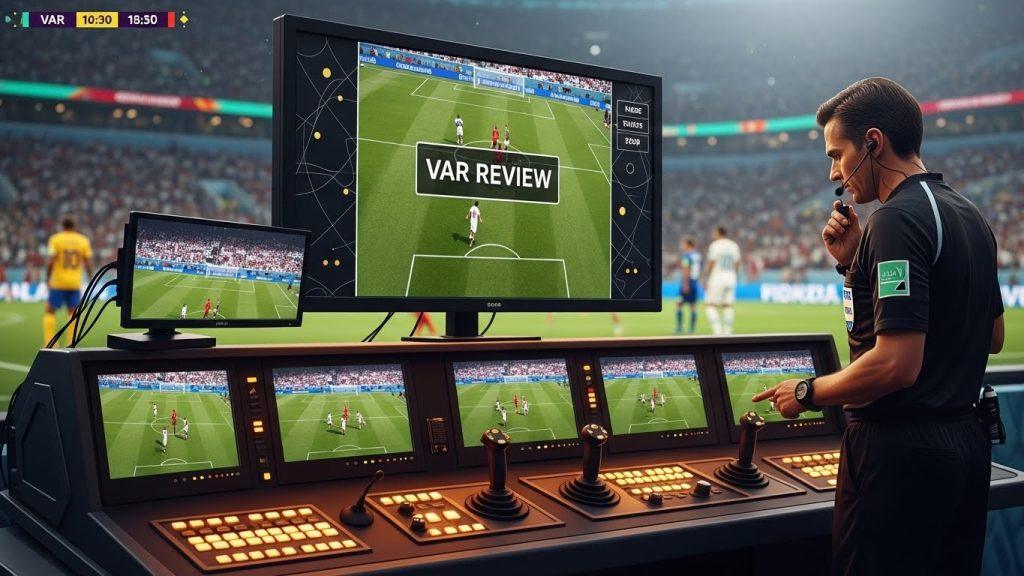
VAR was first introduced in football as a pilot project by the International Football Association Board (IFAB) to address the growing demand for fairness and accuracy in officiating. Its primary function is to assist referees in making decisions related to goals, penalties, direct red cards, and cases of mistaken identity. The system uses multiple camera angles and an off-field team of referees to review contentious incidents.
Since its debut in the 2018 FIFA World Cup in Russia, VAR has been a topic of both praise and controversy. The FIFA VAR Technology page provides an in-depth explanation of how the system is integrated into the game, ensuring transparency and accuracy.
The Mechanics of VAR

At the heart of VAR is a team of video assistant referees who monitor the match from a central location. Using an array of high-definition cameras positioned around the stadium, they can review incidents in real-time or slow motion. When an incident occurs that might warrant a review, the on-field referee is notified via headset. The referee can then choose to review the footage on a pitch-side monitor before making a final decision.
The process is designed to be quick and efficient, minimizing disruptions to the game. However, the implementation of VAR has not been without challenges. Critics argue that it can interrupt the flow of the game and that its subjective nature sometimes leads to inconsistent decision-making. Despite these concerns, VAR has been instrumental in correcting clear and obvious errors on the field.
Impact of VAR on the Copa do Mundo
The introduction of VAR in the Copa do Mundo has had a significant impact on the tournament’s dynamics. In the 2018 World Cup, VAR was used in 335 incidents across 64 matches, with an average of five reviews per game. The system helped overturn 17 decisions, including some that were crucial to the outcome of matches.
One of the most notable instances was during the group stage match between Portugal and Iran, where a penalty was awarded after a VAR review. This decision was pivotal in determining the match’s result and had significant implications for the teams’ standings in the group. The use of VAR in such high-stakes situations underscores its importance in maintaining the integrity of the game.
According to the UEFA’s analysis of VAR, the technology has generally been well-received by players and coaches, who appreciate the added fairness it brings to the game. Fans, however, remain divided, with some appreciating the accuracy and others lamenting the interruptions in play.

Challenges and Criticisms
Despite its benefits, VAR has faced numerous criticisms. One major concern is the length of time taken to review decisions, which can disrupt the game’s tempo. Efforts are being made to streamline the process, but achieving a balance between accuracy and efficiency remains a challenge.
Another criticism is the potential for human error in interpreting the video footage. While VAR provides multiple angles and slow-motion replays, the final decision still rests with the on-field referee, whose subjective judgment can influence the outcome. This has led to calls for clearer guidelines and more consistent application of the rules.
Furthermore, the reliance on technology has sparked a debate about the essence of football as a sport. Traditionalists argue that the human element, including referee errors, is part of the game’s charm. However, proponents of VAR argue that fairness and accuracy should take precedence in modern football.
The Future of Technology in Football
As technology continues to evolve, its role in football is expected to expand. Innovations such as goal-line technology, player tracking systems, and advanced analytics are already being integrated into the sport. These technologies, alongside VAR, aim to enhance the viewing experience, improve player performance, and ensure fair play.
Looking ahead, the challenge will be to integrate these technologies in a way that complements the game without overshadowing its fundamental principles. The International Football Association Board (IFAB) is at the forefront of this effort, working to establish guidelines that balance technological advancement with the spirit of the sport.
Takeaways
The introduction of VAR in the Copa do Mundo marks a significant milestone in the use of technology in football. While it has its share of challenges and criticisms, its impact on the game is undeniable. By enhancing the accuracy of officiating, VAR has contributed to a fairer and more transparent competition.
As the sport continues to embrace technological advancements, the focus will be on refining these systems to ensure they complement rather than detract from the essence of football. For fans, players, and officials alike, the ongoing evolution of technology in football promises to bring exciting changes to the beautiful game.
For more insights into how technology is shaping football, the Bundesliga’s exploration of VAR offers a comprehensive overview of its implementation and impact.
Player and Fan Reactions
The integration of VAR in football has sparked diverse reactions from players and fans, shaping the discourse around its effectiveness. Players, who are directly affected by VAR decisions on the field, generally appreciate its role in ensuring fair play. The ability to correct clear errors means that players can focus more on their performance, knowing that the technology can rectify major officiating mistakes.
However, there have been instances where players express frustration, particularly when decisions do not go their way or when the review process takes longer than expected. For fans, the introduction of VAR has been a double-edged sword. While many appreciate the accuracy it brings, some lament the loss of spontaneity and the emotional highs and lows that come with instantaneous referee decisions. The Guardian’s review of VAR during the 2018 World Cup provides insights into fan perspectives and the broader cultural impact of the technology.
Technological Advancements in VAR
Since its implementation, VAR technology has not remained static. Continuous advancements are being made to enhance its functionality and user experience. Improvements in camera technology, such as higher resolution and wider coverage, allow for more precise and comprehensive incident reviews. Additionally, advancements in artificial intelligence and machine learning are being explored to assist in decision-making processes, potentially reducing the reliance on human interpretation.
Another exciting development is the potential integration of augmented reality (AR) into VAR systems. AR could provide referees with a more intuitive interface for reviewing incidents, overlaying critical information directly onto the live footage. Such innovations could streamline the review process, reduce delays, and further enhance decision accuracy.
Global Influence and Adoption
The success of VAR in the Copa do Mundo has paved the way for its adoption in other major football leagues around the world. From the English Premier League to Italy’s Serie A and beyond, VAR has become a staple in top-tier football competitions. Its global influence is evident in how national football associations and governing bodies are adopting and adapting the technology to fit their specific needs.
This widespread adoption also brings about a need for standardization. Organizations such as FIFA and IFAB are working to establish universal guidelines to ensure consistency in VAR implementation across different leagues and tournaments. These efforts are crucial in maintaining the credibility and effectiveness of the technology on a global scale.
Looking Ahead: The Future of VAR
As we look to the future, the role of VAR and technology in football will likely continue to expand. The ongoing development of complementary technologies, such as wearable sensors for players and real-time analytics, could further enhance the decision-making process. Additionally, the use of blockchain technology for secure and transparent data management is being explored to ensure the integrity of VAR systems.
Moreover, fan engagement is likely to evolve with these technological advancements. Interactive platforms and augmented reality experiences could offer fans a more in-depth understanding of VAR decisions, enhancing their connection to the game. The challenge will be to integrate these technologies in a way that enhances the fan experience without detracting from the live action on the field.
Final Thoughts
In conclusion, VAR has become an integral part of the modern football landscape, particularly in high-profile tournaments such as the Copa do Mundo. Its ability to enhance the accuracy and fairness of officiating is undisputed, even as it faces ongoing scrutiny and calls for refinement. With continuous technological advancements and increasing global adoption, VAR is poised to play an even more significant role in shaping the future of football.
As the sport embraces innovation, the ultimate goal remains to preserve the essence of football while leveraging technology to improve the game. The journey of VAR is a testament to how technology can harmoniously coexist with tradition, ensuring that football remains the beautiful game for generations to come.