Influential Figures of Copa do Mundo: Coaches Who Made a Difference The Copa do Mundo, commonly known as the FIFA World Cup, is not only a showcase of the world’s finest football talent but.
futebolnewsbr.comBrazil football news and transfer analysis.
“Influential Figures of Copa do Mundo: Coaches Who Made a Difference”
Updated: April 9, 2026
Influential Figures of Copa do Mundo: Coaches Who Made a Difference
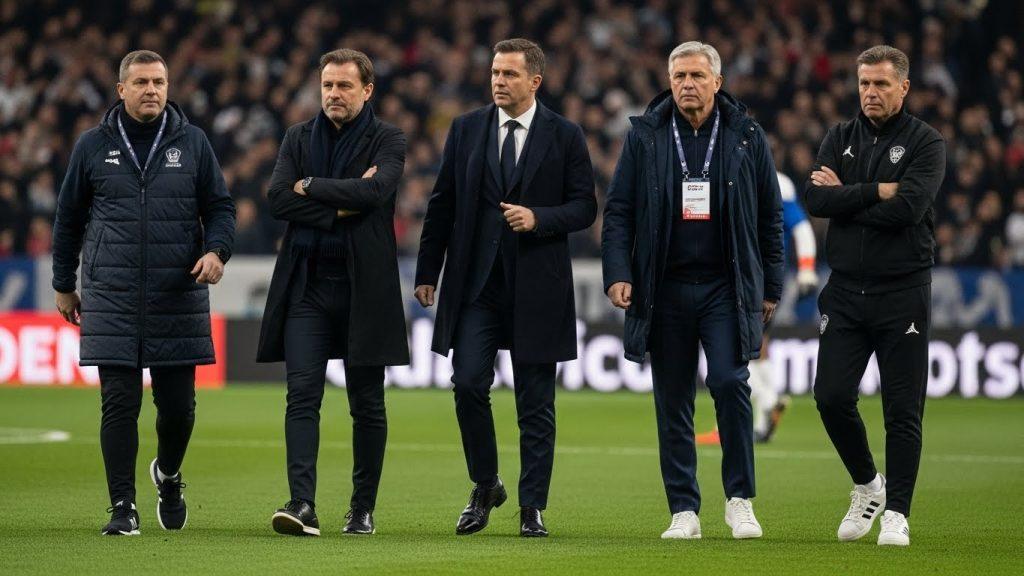
The Copa do Mundo, commonly known as the FIFA World Cup, is not only a showcase of the world’s finest football talent but also a testament to the strategic brilliance of coaches who have guided teams to glory. While players often steal the spotlight, the influence of coaches cannot be understated. They are the tacticians and motivators who shape the destiny of their teams. This blog post delves into the lives and contributions of some of the most influential coaches in World Cup history, exploring their strategies, achievements, and lasting legacies.
Rinus Michels: The Architect of Total Football
Rinus Michels, a prominent figure in football history, is best known for pioneering the concept of “Total Football,” a tactical approach that revolutionized the game in the 1970s. Under Michels’ guidance, the Dutch national team reached the final of the 1974 World Cup, showcasing a brand of football characterized by fluid movement, positional interchange, and relentless attacking play.
Despite their loss to West Germany in the final, Michels’ philosophy left an indelible mark on the sport. His approach emphasized versatility, with players being comfortable in multiple roles on the pitch. This strategy not only improved the team’s adaptability but also transformed the way football was perceived globally. The impact of Michels’ tactics can still be seen today, influencing modern football philosophies and coaching methodologies.

For more on the history of Total Football, UEFA provides a comprehensive overview.
Vicente del Bosque: The Master of Adaptability
Vicente del Bosque’s tenure as the head coach of the Spanish national team is often cited as one of the most successful eras in international football. Under his leadership, Spain won their first World Cup in 2010, followed by a UEFA European Championship in 2012. Del Bosque’s success was rooted in his ability to adapt his tactics to suit the strengths of his players while maintaining a cohesive team spirit.
One of Del Bosque’s key strategies was his implementation of the “tiki-taka” style of play, which emphasized short passing, movement, and maintaining possession. This approach not only capitalized on Spain’s technically gifted midfielders but also frustrated opponents by denying them the ball. Del Bosque’s calm demeanor and emphasis on unity played a crucial role in fostering a winning mentality within the team.
For those interested in the tactical evolution of Spain’s golden era, FIFA offers an insightful analysis.
Helmut Schön: The Silent Strategist
Helmut Schön, head coach of the West German national team from 1964 to 1978, is revered for his strategic acumen and ability to build cohesive units. Schön’s tenure was marked by consistency and success, highlighted by a World Cup victory in 1974 and a European Championship win in 1972. His teams were known for their disciplined approach, strong organization, and tactical flexibility.

Schön’s ability to identify and nurture talent was instrumental in Germany’s success. He built a squad that combined youth with experience, creating a balanced team capable of competing at the highest level. Known for his quiet leadership style, Schön often allowed his players the freedom to express themselves on the pitch, fostering a sense of trust and confidence within the squad.
The German Football Association offers a detailed tribute to Schön’s contributions to the sport.
Carlos Alberto Parreira: The Global Coach
Carlos Alberto Parreira is a unique figure in World Cup history, having coached at six different World Cups with various national teams. His most notable achievement came in 1994 when he led Brazil to victory, securing the country’s fourth World Cup title. Parreira’s coaching style was characterized by his pragmatic approach and ability to adapt to different footballing cultures.
Parreira’s success with Brazil was built on a solid defensive foundation, complemented by the attacking prowess of players like Romário and Bebeto. His emphasis on discipline and organization laid the groundwork for Brazil’s triumph in the United States. Parreira’s ability to tailor his tactics to suit the strengths and weaknesses of his players made him a respected figure in international football.
For a deeper understanding of Parreira’s impact on the global coaching stage, FourFourTwo offers an in-depth feature.
Joachim Löw: The Innovator of Modern Football
Joachim Löw’s tenure as the coach of the German national team is marked by innovation and success. Taking over in 2006, Löw transformed Germany’s playing style, culminating in their 2014 World Cup victory in Brazil. Löw’s approach focused on dynamic attacking play, high pressing, and fluid positional interchange, drawing inspiration from the likes of Rinus Michels and other footballing pioneers.
Under Löw’s guidance, Germany developed a new generation of talented players who excelled in his system. His emphasis on youth development and tactical evolution allowed Germany to consistently remain competitive on the international stage. Löw’s legacy is reflected in the modern, proactive style of play that has become synonymous with German football.
For more insights into Löw’s transformative impact on German football, DW provides an extensive analysis.
Conclusion: The Lasting Legacy of World Cup Coaches
The coaches highlighted in this post have left an indelible mark on the history of the Copa do Mundo, each contributing to the evolution of the game in their unique ways. From the tactical innovations of Rinus Michels to the adaptable strategies of Vicente del Bosque, these coaches have not only achieved success on the world stage but have also influenced the future of football coaching. Their legacies continue to inspire new generations of coaches and players, ensuring that their impact on the sport endures.
As we look forward to future World Cups, the contributions of these influential figures remind us of the importance of leadership, innovation, and adaptability in the beautiful game. Their stories serve as a testament to the pivotal role coaches play in shaping the history and future of football.
The Influential Role of Coaches in Modern Football
As the game of football evolves, the role of coaches becomes increasingly complex and multifaceted. Modern coaches are not only strategists but also leaders, psychologists, and sometimes even media personalities. Their influence extends beyond the pitch, affecting team morale, public perception, and even the development of football as a global sport.
Coaches today must navigate the challenges of managing diverse squads, dealing with the pressures of high expectations, and maintaining their teams’ competitive edge amid rapid tactical advancements. The ability to innovate and adapt, as demonstrated by the coaches discussed in this article, remains crucial in achieving sustained success at the highest levels of the game.
Emerging Trends in Coaching Strategies
Recent trends in football coaching strategies include a greater emphasis on data analytics, sports science, and individualized training regimens. Coaches are increasingly relying on technology to gain insights into player performance, opponent tactics, and overall team dynamics. This shift towards a more scientific approach to coaching is transforming how teams prepare for matches and develop over time.
Moreover, the integration of mental health and wellness programs has become a vital component of modern coaching. Recognizing the psychological demands placed on players, coaches are now more involved in ensuring their squads are mentally prepared for the rigors of tournament play. This holistic approach to coaching is proving to be a critical factor in building resilient and successful teams.
The Future of World Cup Coaching
Looking ahead, the role of coaches in the Copa do Mundo is set to become even more pivotal. As football continues to globalize, the tournament will likely see an influx of diverse coaching philosophies and styles. Coaches from different footballing cultures will bring their unique perspectives to the global stage, enriching the tournament’s tactical diversity and strategic depth.
Additionally, the growing importance of youth development programs and grassroots initiatives will increase the spotlight on coaches who can nurture young talent and integrate them into senior teams. The ability to identify and develop future stars will be a key factor in sustaining national team success in the coming decades.
Conclusion: Celebrating the Unsung Heroes
In conclusion, coaches are the unsung heroes of the Copa do Mundo, guiding their teams through the highs and lows of the world’s most prestigious football tournament. Their influence extends far beyond tactical decisions, shaping the culture, values, and future directions of their teams and the sport itself.
As we celebrate the achievements of past and present coaches, we also look forward to witnessing the contributions of future coaching legends. Their passion, dedication, and vision will continue to inspire players, fans, and aspiring coaches around the globe, ensuring that the Copa do Mundo remains a celebration of football excellence and a testament to the power of visionary leadership.