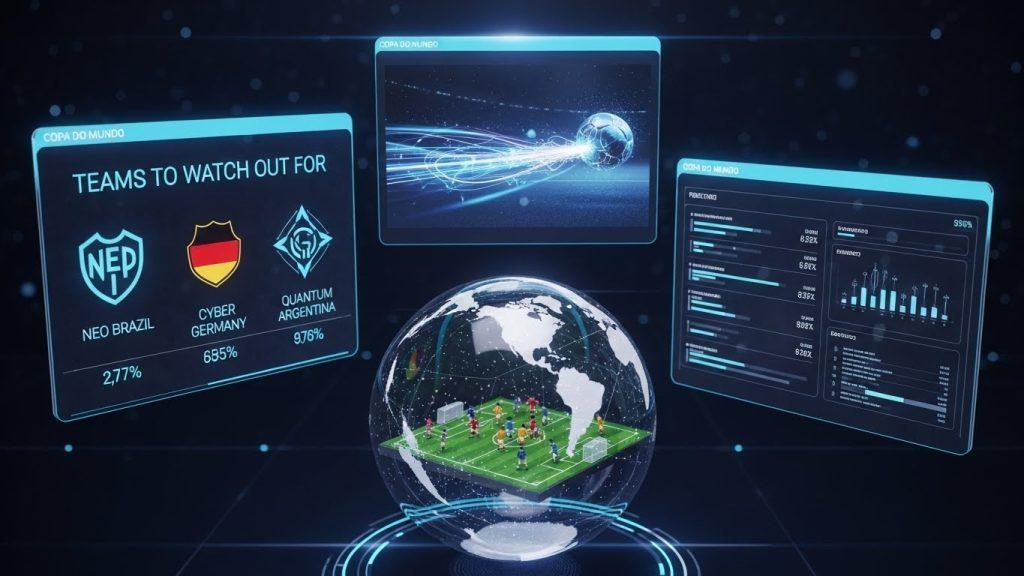
Future Predictions for Copa do Mundo: Teams to Watch Out For The Copa do Mundo, or the FIFA World Cup, is the pinnacle of international football, a tournament where nations come together to.
futebolnewsbr.comBrazil football news and transfer analysis.
“Future Predictions for Copa do Mundo: Teams to Watch Out For”
Updated: April 9, 2026
Future Predictions for Copa do Mundo: Teams to Watch Out For
The Copa do Mundo, or the FIFA World Cup, is the pinnacle of international football, a tournament where nations come together to showcase their prowess on the global stage. As the world anticipates the next edition, speculations and predictions about which teams will dominate are rife. In this post, we delve into the future prospects of various national teams, analyzing their potential to shine in upcoming tournaments. From perennial powerhouses to emerging contenders, we explore which teams could make headlines and captivate fans worldwide.
The Rise of Young Talent
One of the most exciting aspects of the upcoming Copa do Mundo tournaments is the emergence of young talent from diverse corners of the globe. Countries traditionally not known for their footballing prowess are now nurturing prodigious talents, poised to challenge established teams.
France: With a rich history in international football, France continues to produce world-class players through its robust youth academies. Players like Kylian Mbappe and Eduardo Camavinga are expected to lead the charge for the French national team in future tournaments. Their blend of speed, skill, and intelligence on the field makes them formidable opponents.
Spain: Known for their tiki-taka style of play, Spain is witnessing a new generation of players rising through the ranks. Pedri and Ansu Fati have already made waves in club football and are expected to bring their flair and creativity to the international stage. Spain’s focus on technical proficiency and possession-based football makes them a team to watch.
As these young stars evolve, they not only bolster their national teams but also redefine the strategies and playing styles that could dominate future world cups. The impact of these players is not limited to their individual brilliance; they could potentially lead their teams to unprecedented success.

Traditional Powerhouses: Will They Maintain Their Dominance?
No discussion about the future of the Copa do Mundo is complete without mentioning the traditional powerhouses of world football. Nations like Brazil, Germany, and Argentina have long been associated with success on the international stage. However, the question remains: can they maintain their dominance?
Brazil: The Samba Boys have historically been synonymous with flair and creativity. With Neymar leading the current generation and upcoming stars like Vinicius Junior, Brazil’s attacking prowess is undeniable. Their rich legacy and passionate football culture ensure they are perennial contenders for the title.
Germany: Known for their tactical discipline and efficiency, Germany has consistently been a force to reckon with. The integration of young talents like Kai Havertz and Jamal Musiala into their squad signals a seamless transition that keeps them competitive. Germany’s ability to adapt and evolve makes them a persistent threat.
Argentina: With Lionel Messi at the helm, Argentina has experienced a revival in recent years. The team’s synergy and attacking options, bolstered by players like Lautaro Martinez, make them formidable opponents. As Messi’s career approaches its twilight, the team looks towards a new generation to carry forward their winning legacy.
Emerging Contenders: Dark Horses on the Horizon
While traditional powerhouses command attention, emerging nations are gradually staking their claim on the international stage. These teams, often overlooked, have the potential to cause major upsets and disrupt the status quo.
Belgium: Often labeled as dark horses, Belgium’s golden generation, featuring Kevin De Bruyne and Romelu Lukaku, has consistently performed at high levels. Despite not securing a major international trophy, their cohesive unit and tactical flexibility make them a team to watch.

Croatia: A surprise finalist in the 2018 World Cup, Croatia continues to punch above its weight. With Luka Modric’s leadership and the emergence of talents like Josko Gvardiol, Croatia’s blend of experience and youth makes them unpredictable yet dangerous.
Senegal: As African nations gain prominence, Senegal stands out with their strong squad featuring Sadio Mane and Kalidou Koulibaly. Their physical style of play and organizational strength could see them go deep into future tournaments.
Impact of Tactical Innovations
Modern football is as much about tactics as it is about talent. The future of the Copa do Mundo will likely be influenced by strategic innovations and how teams adapt to them. The integration of data analytics, advanced training methodologies, and an emphasis on versatile playing styles are reshaping the game.
National teams are increasingly adopting a hybrid approach, blending traditional styles with modern tactics. For instance, the pressing game popularized by teams like Liverpool and Manchester City is being integrated into the national team setups, emphasizing high intensity and quick transitions.
Furthermore, the use of technology and analytics in player performance assessment and game strategy is becoming commonplace. Teams that effectively harness these tools gain a competitive edge, allowing them to outsmart opponents and execute game plans with precision.
The Role of Coaches and Management
The influence of coaching cannot be understated in shaping the future of national teams. Successful coaches bring a wealth of experience, tactical acumen, and leadership that is crucial for guiding teams through high-pressure tournaments.
For instance, managers like Didier Deschamps of France and Hansi Flick of Germany have demonstrated their ability to build cohesive units that excel under pressure. Their strategic insights and motivational skills often make the difference between winning and losing.
Additionally, the role of national football federations in providing adequate resources and support structures for teams is crucial. Investment in youth development programs, infrastructure, and scouting networks are essential for sustained success on the international stage.
Conclusion: A New Era of Competition
The future of the Copa do Mundo promises a dynamic and competitive landscape, where traditional powerhouses and emerging teams vie for glory. The rise of young talent, tactical innovations, and effective management will play pivotal roles in shaping outcomes. As fans eagerly await the next installment of the world’s most prestigious football tournament, the anticipation of witnessing new stars and unforgettable moments continues to grow.
Ultimately, the beauty of football lies in its unpredictability and the potential for any team to rise to the occasion. As nations prepare and strategize for future tournaments, the stage is set for thrilling encounters, passionate displays, and the crowning of new champions.
Globalization of Football: The Expanding Talent Pool
One of the significant factors influencing the future of the Copa do Mundo is the globalization of football. As the sport grows in popularity worldwide, the talent pool has expanded, bringing diverse playing styles and fresh perspectives into the international scene.
This globalization has seen players from less traditional footballing nations making their mark in top European leagues. The experience gained from competing at high levels abroad enriches national teams when these players bring their skills and insights back home. Countries like Japan and the United States have benefited from this trend, with players showcasing their abilities on global platforms and elevating their national teams’ competitive edge.
The global exchange of footballing philosophies and tactics also contributes to a more dynamic and unpredictable tournament. As teams adapt and learn from each other, the Copa do Mundo becomes a melting pot of ideas and strategies, pushing the boundaries of the game and setting new standards for excellence.
The Influence of Sports Science and Technology
As teams prepare for future tournaments, the role of sports science and technology cannot be overlooked. Innovations in these fields are transforming how teams train, recover, and perform, offering them a competitive advantage in high-stakes matches.
For instance, advancements in sports psychology are helping players enhance their mental resilience, crucial for maintaining composure under pressure. Techniques such as visualization and cognitive training are becoming integral parts of team preparation, enabling players to improve focus and decision-making on the field.
Additionally, wearable technology and data analytics are providing teams with real-time insights into player performance and fitness levels. This data-driven approach allows for personalized training regimens and recovery protocols, minimizing injury risks and optimizing performance.
As sports science continues to evolve, teams that effectively integrate these innovations into their training and matchday strategies are likely to have the upper hand in future tournaments.
Fan Engagement and the Role of Social Media
In today’s digital age, fan engagement has become a crucial aspect of the Copa do Mundo experience. Social media platforms play a significant role in connecting fans with their favorite teams and players, offering unprecedented access to behind-the-scenes content and live interactions.
The ability for fans to engage with the tournament in real-time through platforms like Twitter and Instagram has transformed how they experience the event. Teams and players are leveraging these platforms to build their brands, share insights, and cultivate a loyal fanbase.
Moreover, social media provides a space for fans to share their passion, discuss strategies, and celebrate victories, creating a global community united by the love of the game. This increased level of engagement not only enhances the tournament’s appeal but also influences how teams are perceived and supported on the international stage.
Potential Challenges and the Road Ahead
While the future of the Copa do Mundo holds immense promise, it is not without its challenges. Political, economic, and environmental factors can influence the organization and execution of the tournament, impacting everything from venue selection to travel logistics.
For instance, geopolitical tensions or economic instability in host countries can pose significant hurdles to smooth tournament operations. Similarly, concerns about climate change and sustainability are increasingly shaping discussions around hosting responsibilities and infrastructure development.
Addressing these challenges requires collaboration between FIFA, national governments, and stakeholders to ensure that the Copa do Mundo remains a celebration of football that transcends borders and unites people worldwide.
Conclusion: A Spectacle of Passion and Competition
As the world eagerly anticipates future editions of the Copa do Mundo, one thing is certain: the tournament will continue to be a spectacle of passion, competition, and unity. Whether through the rise of young talent, the evolution of tactics, or the influence of technology, the game is set to reach new heights of excitement and unpredictability.
Fans around the globe will witness emerging stars, strategic battles, and moments of pure magic that define the essence of football. As we look forward to these thrilling encounters, the Copa do Mundo remains a testament to the enduring spirit of the game and its power to bring people together in celebration of skill, talent, and sportsmanship.