Unforgettable Moments in Copa do Mundo History: A Look Back The Copa do Mundo, or as it’s globally known, the FIFA World Cup, stands as the pinnacle of international football competition. Ev.
futebolnewsbr.comBrazil football news and transfer analysis.
“Unforgettable Moments in Copa do Mundo History: A Look Back”
Updated: April 9, 2026
Unforgettable Moments in Copa do Mundo History: A Look Back
The Copa do Mundo, or as it’s globally known, the FIFA World Cup, stands as the pinnacle of international football competition. Every four years, the world’s best teams converge to compete for the most prestigious trophy in the sport. With its rich history and tradition, the tournament has produced countless unforgettable moments that have enthralled fans worldwide. In this post, we will take a look back at some of the most iconic and unforgettable moments in Copa do Mundo history.
The Birth of a Global Phenomenon
The inaugural FIFA World Cup was held in 1930 in Uruguay. The tournament was a groundbreaking event, marking the first time nations from different continents competed on such a grand stage. Uruguay, the host nation, won the first title, defeating Argentina 4-2 in an electrifying final. This victory not only established Uruguay as a football powerhouse but also set the stage for the World Cup to become a global sensation.
Pele’s Emergence in 1958
One of the most unforgettable moments in World Cup history came in 1958, when a 17-year-old Brazilian named Pele burst onto the scene. Held in Sweden, the tournament saw Pele score six goals, including two in the final against the host nation. Brazil’s 5-2 victory over Sweden marked the beginning of their dominance in international football and introduced Pele to the world. His performance in the 1958 World Cup not only made him a legend but also solidified Brazil’s status as a football powerhouse.
The Miracle of Bern, 1954

The 1954 World Cup final, known as the “Miracle of Bern,” saw West Germany defeat the heavily favored Hungarian team 3-2. Hungary, led by the legendary Ferenc Puskás, was considered unbeatable, having trounced Germany 8-3 in the group stages. However, the German team’s resilience and tactical prowess led them to a stunning comeback victory, securing their first World Cup title. This match is remembered as one of the greatest upsets in World Cup history and showcased the unpredictable nature of the tournament.
Diego Maradona’s “Hand of God” and “Goal of the Century” in 1986
The 1986 World Cup in Mexico is often remembered for the brilliance of one man: Diego Maradona. In the quarter-final match against England, Maradona scored two of the most famous goals in football history. The first, known as the “Hand of God,” was a controversial goal where Maradona used his hand to punch the ball into the net. The second, dubbed the “Goal of the Century,” saw Maradona dribble past five English defenders before scoring. Argentina went on to win the tournament, with Maradona’s performances solidifying his status as one of the greatest players of all time.
The “Battle of Santiago” in 1962
The 1962 World Cup in Chile was marked by one of the most infamous matches in the tournament’s history, the “Battle of Santiago.” The group stage match between Chile and Italy was characterized by violence and chaos on the field. With several on-field brawls and two Italian players sent off, the game descended into a battle rather than a football match. This encounter remains a stark reminder of the intense passions and rivalries that the World Cup can ignite.
Zinedine Zidane’s Headbutt in 2006

The 2006 World Cup final between France and Italy is often remembered for one dramatic moment: Zinedine Zidane’s headbutt on Marco Materazzi. In the final match of his illustrious career, Zidane was shown a red card for headbutting Materazzi after an exchange of words. France eventually lost the match in a penalty shootout. Despite the controversy, Zidane’s career and his performances in the 2006 tournament are remembered fondly, highlighting the emotional highs and lows that players experience on football’s biggest stage.
The Growing Influence of Technology
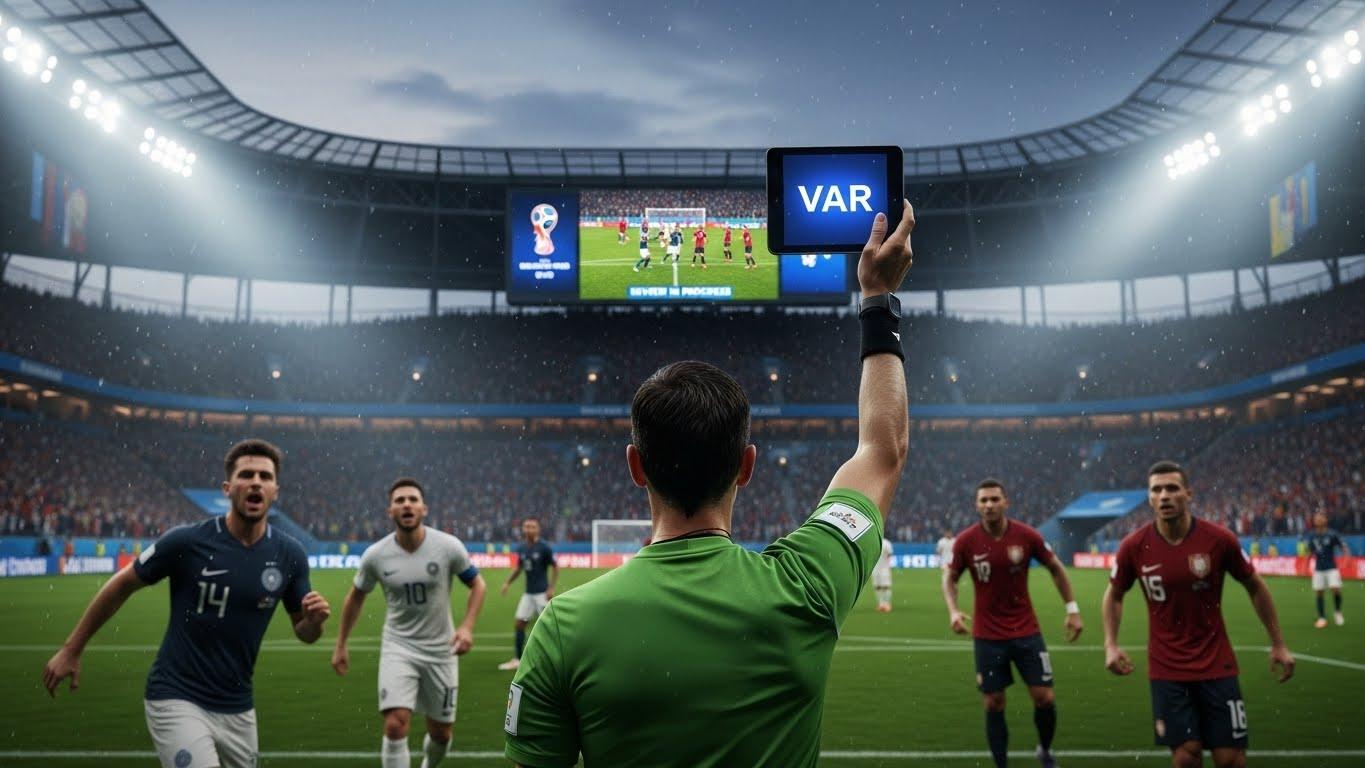
The introduction of technology in recent World Cups has also provided unforgettable moments. Goal-line technology and the Video Assistant Referee (VAR) have played crucial roles in ensuring fair play and reducing human error. For instance, during the 2018 World Cup in Russia, VAR was used to confirm 20 penalties, showcasing its impact on the game. The use of technology has added a new dimension to the World Cup, ensuring that the tournament continues to evolve and adapt to modern demands.
Women’s World Cup: A New Era
While men’s World Cup moments have often dominated headlines, the Women’s World Cup has also delivered unforgettable moments. The 1999 Women’s World Cup in the United States saw the host nation win in dramatic fashion, with Brandi Chastain’s iconic celebration after scoring the winning penalty becoming an enduring image in sports history. The Women’s World Cup has grown in popularity and significance, bringing attention to women’s football and inspiring future generations of female athletes.
The Future of the World Cup
As we look to the future, the World Cup continues to be a source of hope, unity, and inspiration. The upcoming tournaments promise to deliver new heroes and unforgettable moments. With the expansion of the tournament to 48 teams in 2026, there will be more opportunities for nations to make their mark on the world stage. Additionally, the increasing involvement of women and the integration of advanced technologies will continue to shape the World Cup’s evolution, ensuring that it remains a cherished global event.
Takeaways
The Copa do Mundo has provided countless unforgettable moments that have captivated fans and shaped the history of football. From Pele’s emergence and Maradona’s brilliance to the integration of technology and the rise of women’s football, the World Cup continues to be a celebration of the beautiful game. As the world eagerly awaits the next tournament, we can only imagine what new memories will be created and how they will inspire future generations of footballers and fans alike. For more detailed insights into World Cup history, visit the Encyclopædia Britannica.
The Evolution of Tactics and Styles
Throughout the history of the Copa do Mundo, we have witnessed significant evolution in tactics and styles of play. The tournament acts as a showcase for innovative strategies that often influence global football trends. For instance, the “Total Football” approach pioneered by the Dutch in the 1974 World Cup introduced a fluid style of play where any player could take over the role of another, revolutionizing team dynamics. This tactical innovation has left a lasting legacy, influencing teams and managers worldwide.
In more recent times, the 2010 World Cup saw Spain triumph with their “tiki-taka” style, characterized by short passing and maintaining possession. This approach emphasized technical skill and team cohesion over individual prowess, leading Spain to their first World Cup victory. The influence of tiki-taka has been profound, with many clubs and national teams adopting similar playing styles.
World Cup Records and Milestones
The Copa do Mundo is not just about memorable matches; it is also a platform where records are set and milestones achieved. Brazilian legend Ronaldo holds the record for scoring the most goals in World Cup history, with 15 goals over three tournaments. However, Miroslav Klose of Germany surpassed this record in 2014, ending his career with 16 goals. These achievements highlight the personal triumphs that the World Cup can bring to individual players.
Another significant milestone was achieved by Germany when they won the 2014 World Cup. Their 7-1 victory over Brazil in the semi-finals was not only a statement of their dominance but also marked the first time a European team won the tournament on South American soil. This victory added another chapter to the storied history of the World Cup, showcasing the unpredictable nature of the competition.
The Impact of the World Cup Beyond Football
The Copa do Mundo transcends the realm of football, leaving a broader impact on society and culture. It serves as a platform for promoting cultural exchange and unity among nations. The World Cup encourages tourism and infrastructural development in host countries, often leading to long-term economic benefits. For example, the 1994 World Cup in the United States played a pivotal role in popularizing soccer in a country traditionally dominated by other sports.
Moreover, the World Cup has often been utilized as a stage for political statements and social change. The 2018 World Cup in Russia saw numerous teams and players use their platform to voice support for various social causes, highlighting the power of sport as a vehicle for advocacy and change.
Looking Ahead: Qatar 2022 and Beyond
As we approach the 2022 World Cup in Qatar, the anticipation and excitement continue to grow. This tournament will be historic as the first World Cup to be held in the Middle East, promising to introduce a new cultural dynamic to the global event. The tournament will also be held in November and December, deviating from the traditional summer schedule due to Qatar’s climate. This change presents unique challenges and opportunities for teams and players.
Looking beyond Qatar, the 2026 World Cup, to be hosted jointly by the United States, Canada, and Mexico, will feature an expanded format with 48 teams. This expansion aims to provide more nations with the opportunity to participate, potentially leading to new stories and unforgettable moments that will enrich the World Cup’s legacy.
Conclusion: The Everlasting Allure of the Copa do Mundo
The Copa do Mundo remains an unparalleled spectacle in the world of sports, drawing billions of fans from every corner of the globe. Its history is a tapestry of unforgettable moments, legendary performances, and cultural significance. As the tournament continues to evolve, it will undoubtedly produce new heroes and stories that capture the imagination of future generations. The World Cup’s enduring allure lies in its ability to unite people and nations, celebrating the universal language of football. To explore more about the World Cup’s impact on global culture, visit History.com.