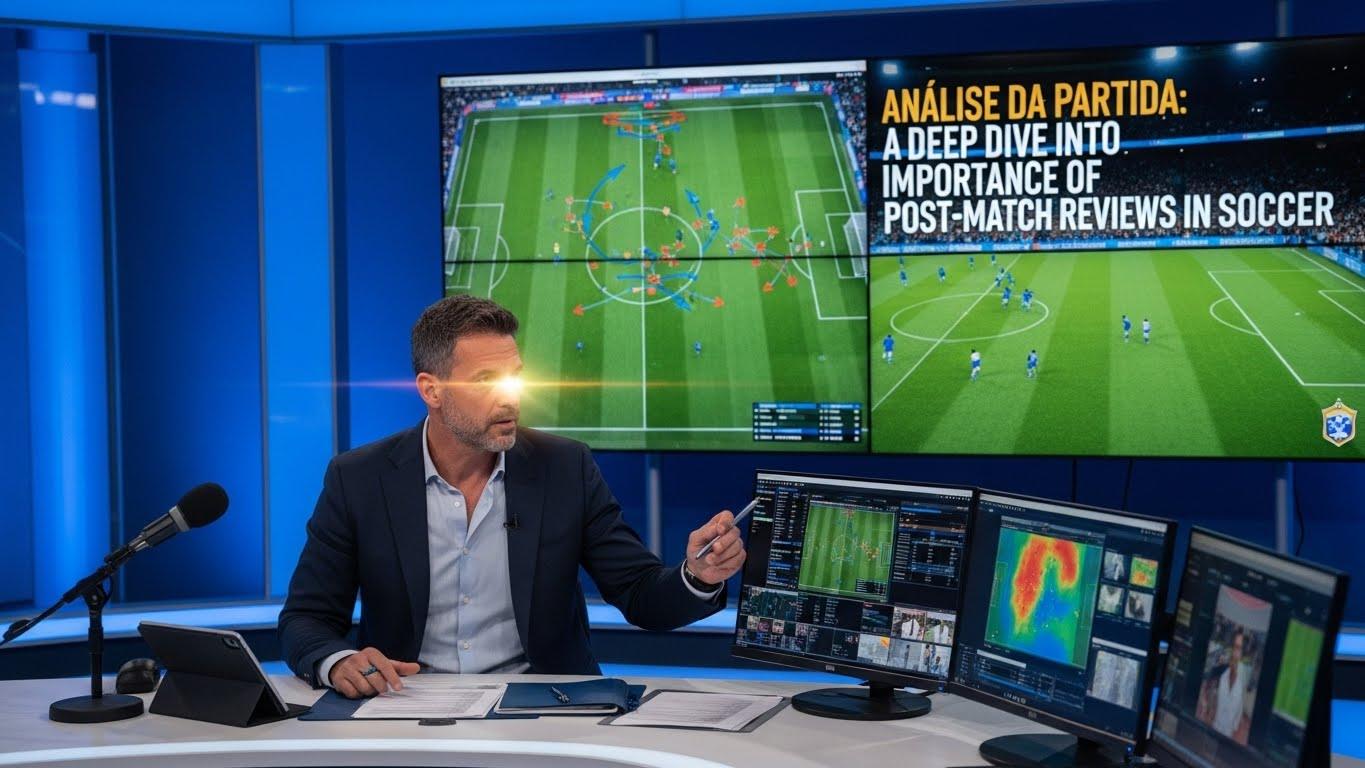
Understanding the Intricacies of Post-Game Analysis in Competitive Sports In the realm of competitive sports, the focus often lies on the game itself, the players’ performance, and the final.
futebolnewsbr.comBrazil football news and transfer analysis.
“Understanding the Intricacies of Post-Game Analysis in Competitive Sports”
Updated: April 8, 2026
Understanding the Intricacies of Post-Game Analysis in Competitive Sports
In the realm of competitive sports, the focus often lies on the game itself, the players’ performance, and the final score. However, beneath the surface of each match lies an essential component that is often overlooked by casual viewers: post-game analysis. This meticulous process not only helps teams improve their future performance but also enhances the overall understanding of the game. In this article, we will delve deep into the intricacies of post-game analysis, exploring its significance, methods, and impact on competitive sports.
The Significance of Post-Game Analysis
Post-game analysis serves as a critical tool for teams, coaches, and analysts to dissect every aspect of a game, from individual player performance to team strategies. It provides insights that are crucial for sports development and improvement. By understanding what went right and what went wrong during a match, teams can make informed decisions to refine their tactics and enhance their chances of success in future competitions.
Moreover, post-game analysis is not just about identifying errors. It involves recognizing successful strategies and moments of excellence that can be replicated or improved. This balanced approach ensures that teams build on their strengths while addressing their weaknesses, ultimately leading to a more cohesive and effective performance.
Methods of Post-Game Analysis

There are various methods employed in post-game analysis, each with its unique benefits. These methods can be broadly categorized into qualitative and quantitative analyses.
Qualitative Analysis
Qualitative analysis involves a subjective evaluation of the game. Coaches and analysts review the game footage to assess player behavior, team dynamics, and tactical decisions. This method relies heavily on the expertise and experience of the analyst to identify patterns and make evaluations.
For instance, an analyst might observe how a team responded under pressure or how a particular defensive strategy was executed. By providing feedback based on these observations, qualitative analysis helps in nurturing players’ instincts and improving decision-making skills.
Quantitative Analysis
In contrast, quantitative analysis involves a data-driven approach. This method uses statistical tools and metrics to evaluate performance. Metrics like possession percentage, pass accuracy, and shot conversion rates offer a numerical perspective on a team’s performance, allowing for objective comparisons and trend identification.
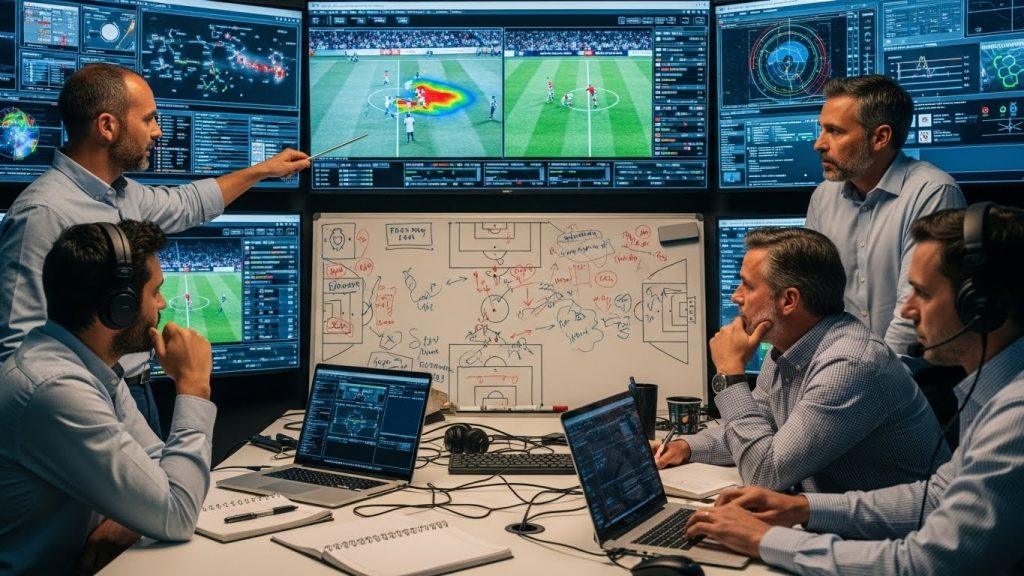
The rise of technology has significantly enhanced the scope of quantitative analysis. Advanced software and data analytics tools can track player movements, measure physical exertion, and even predict potential injuries. This wealth of information empowers teams to make data-backed decisions that align with their strategic goals.
Impact of Post-Game Analysis on Team Performance
Effective post-game analysis can dramatically impact a team’s performance. By identifying areas for improvement, teams can implement targeted training programs and develop strategies that counteract opponents’ strengths. This continuous cycle of analysis and adaptation is a hallmark of successful teams across various sports disciplines.
For example, a soccer team might use post-game analysis to identify weaknesses in their defensive line. By focusing on drills that improve communication and positioning, they can bolster their defense, reducing the likelihood of conceding goals in future matches.
Post-Game Analysis in Individual Sports
While team sports often take the spotlight, post-game analysis is equally important in individual sports such as tennis or athletics. Athletes work closely with coaches to review footage and analyze their performance, focusing on technique, endurance, and mental resilience.
In tennis, for instance, a player might analyze their serve technique and adjust their grip or stance to improve accuracy and power. This attention to detail is crucial in sports where individual performance can be the difference between victory and defeat.
The Role of Technology in Enhancing Post-Game Analysis
Technology plays a pivotal role in modern post-game analysis. From high-definition video recordings to sophisticated data analytics software, technological advancements have revolutionized the way teams and athletes approach performance evaluation.
One of the most significant innovations is the use of wearable technology and sensors. These devices provide real-time data on metrics such as heart rate, speed, and distance covered, offering insights into an athlete’s physical condition and potential areas for improvement.
Furthermore, virtual reality (VR) technology is being increasingly used to simulate game scenarios, allowing players to practice decision-making and strategy execution in a controlled environment. This immersive experience enhances learning and helps athletes develop a deeper understanding of the game.
Challenges in Post-Game Analysis
Despite its benefits, post-game analysis is not without challenges. One of the primary obstacles is the sheer volume of data generated during a game. Sifting through this information to extract meaningful insights requires skill and expertise, often necessitating the involvement of specialized analysts.
Additionally, the subjective nature of qualitative analysis can sometimes lead to inconsistencies in evaluation. Different analysts may have varying interpretations of the same scenario, which can impact the feedback provided to players and coaches.
To mitigate these challenges, many teams are investing in training programs for analysts, equipping them with the skills needed to harness technology effectively and make informed evaluations.
Takeaways
In the fast-paced world of competitive sports, post-game analysis serves as a vital tool for improvement and success. By combining qualitative insights with quantitative data, teams and athletes can refine their strategies, enhance performance, and stay ahead of the competition. As technology continues to evolve, the scope and accuracy of post-game analysis will only increase, offering even greater opportunities for advancement.
For those involved in sports, understanding and embracing the intricacies of post-game analysis is not just an option; it is a necessity. It is a testament to the dedication and commitment required to excel in the ever-evolving landscape of competitive sports.
Future Trends in Post-Game Analysis
As the sports industry continues to evolve, so too does the landscape of post-game analysis. Emerging technologies and innovative methodologies are shaping the future of how teams and athletes analyze performance. Here are some trends to watch:
Artificial Intelligence and Machine Learning
Artificial intelligence (AI) and machine learning are poised to revolutionize post-game analysis. These technologies can process vast amounts of data more efficiently than human analysts, identifying patterns and trends that may go unnoticed. AI can offer predictive insights, suggesting strategies or changes that could enhance performance based on historical data and current trends.
Machine learning algorithms can also personalize analysis for individual athletes, taking into account their unique playing style, strengths, and weaknesses. This level of customization can lead to more targeted training programs and faster improvement.
Enhanced Fan Engagement
Post-game analysis is not just valuable for teams and athletes; it’s also becoming an integral part of fan engagement. With the rise of social media and digital platforms, fans now have access to a wealth of analytical content that enhances their understanding and enjoyment of the game.
Interactive platforms and apps provide fans with insights into player statistics, team tactics, and more. This increased engagement can foster a deeper connection between fans and their favorite teams, making the sports viewing experience more immersive and enjoyable.
Integration with Health and Wellness
The integration of post-game analysis with health and wellness metrics is another trend gaining traction. By analyzing data related to an athlete’s physical condition and recovery, teams can ensure players are in optimal shape for competition. This holistic approach not only enhances performance but also helps in injury prevention and management.
Wearable devices and health monitoring apps are becoming more sophisticated, providing real-time feedback on vital statistics and recovery metrics. This information is crucial for making informed decisions about training intensity and rest periods, ultimately leading to better athlete health and performance.
Conclusion: The Continuous Evolution of Post-Game Analysis
Post-game analysis has come a long way from its early days of simple video replays and basic statistics. Today, it is a dynamic and multifaceted process that leverages cutting-edge technology to provide deep insights into sports performance. As the field continues to evolve, the potential for further advancements is vast.
For teams and athletes, staying abreast of the latest trends and technologies in post-game analysis is essential. Those who embrace these innovations will have a competitive edge, able to fine-tune their strategies and optimize their performance with precision and foresight.
The future of competitive sports is intrinsically linked to the advancements in post-game analysis. As technology and methodologies continue to advance, the sports industry will benefit from more accurate, efficient, and impactful analysis, driving the evolution of the game itself.
By understanding the intricacies of post-game analysis, stakeholders in the sports industry can ensure that they are not only keeping pace with the competition but also setting new standards for excellence in the field.
Read More