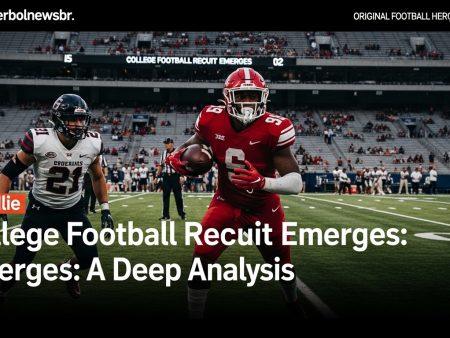
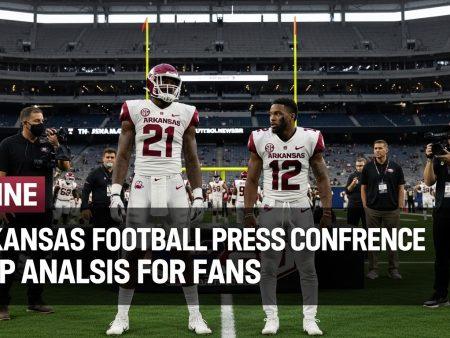
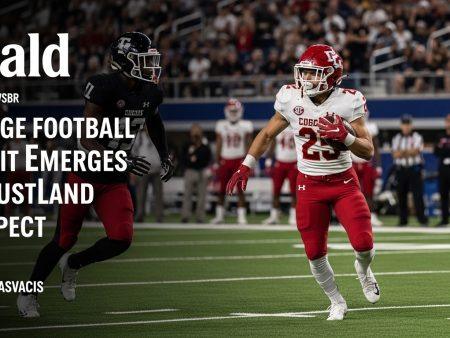
This analysis examines how Arsenal-inspired branding intertwines with Brazil’s varzea culture, economic realities, and talent pipelines, reshaping the.
futebolnewsbr.comBrazil football news and transfer analysis.
Visiting Football Brazil: Arsenal influence in varzea clubs
Updated: April 7, 2026
For those studying visiting Football Brazil, the journey often begins not in the marquee stadiums of Rio or São Paulo, but in improvised fields and the varzea spaces where culture and aspiration collide. The Arsenal-inspired branding that threads through a segment of Brazil’s lower-league clubs signals more than a fashion choice; it reflects a broader set of dynamics—branding strategies, youth development challenges, and economic constraints—that together shape the trajectory of the country’s football ecosystem.
Cultural roots: varzea and Arsenal-inspired branding
In Brazilian football, the varzea—the informal, multipurpose pitches that double as community hubs—serves as a vital talent incubator and a social stage. Clubs rooted in these spaces often borrow naming conventions, crest aesthetics, and color palettes associated with European powerhouses as a way to translate distant dreams into local identity. The Arsenal-like nicknames, stencils of cannon silhouettes, or jersey color schemes echo an aspirational narrative: a link to a global game that feels tangible even when local facilities lag behind top-tier standards. This branding isn’t merely cosmetic; it functions as a bridge for young players and fans who imagine a pathway from street leagues to national recognition. Yet the trend also raises questions about authenticity and the risk of diluting unique local heritage in the service of a recognizable foreign brand. The dynamic reflects a broader pattern in Brazilian football, where global influences intersect with community loyalties, and where clubs must balance affinity-building with sustainability on tight budgets.
Economic and logistical realities for itinerant teams
Visiting teams—whether traveling across state lines to meet regional rivals or stepping into renovated municipal arenas—face a mosaic of costs and logistical hurdles that are often invisible to spectators. Travel time eats into training windows, and fixture scheduling can conflict with work and school commitments that keep players attached to their communities. Stadium infrastructure in the varzea ecosystem frequently battles aging facilities, limited seating capacity, and inconsistent broadcast access, which in turn influences sponsorship viability and match-day revenue. The Arsenal-inspired branding may attract attention and modest merchandising lift, but it cannot erase the fundamental economics of a system where travel, equipment, and grassroots development dominate financial planning. In this context, clubs must leverage branding as a symbolic accelerator while pursuing pragmatic revenue streams—local sponsorships, community events, and partnerships with regional broadcasters—to remain solvent and competitive on the pitch.
Talent pipelines and Brazil’s evolving football identity
Brazil’s football identity is deeply tied to its ability to convert raw talent from varzea and other grassroots settings into professional players who can compete at national and international levels. Recent reporting highlights athletes who emerge from these circuits and draw the attention of national recruiters. In one notable example, a promising young player—identified through local scouting networks—earned a first call-up through Brazil’s broader talent pipeline, underscoring how regional leagues act as a proving ground for the country’s next generation. This pathway illustrates a paradox: while the Arsenal-inspired branding can elevate visibility, the true engine remains a robust scouting network, coach development at the grassroots level, and stable competition formats that allow players to progress without being overwhelmed by logistics or financial constraints. The result is a football ecosystem where local culture, global branding, and national ambitions intersect, shaping both the visiting experience and the long-term health of the sport in Brazil.
Actionable Takeaways
- Balance branding with authenticity: clubs should preserve local culture while leveraging global branding to attract sponsorship, ensuring the community remains central to every strategic decision.
- Invest in grassroots infrastructure: strengthen training facilities and youth development pipelines to convert cultural interest into sustainable talent growth.
- Coordinate travel and fixtures: federation guidelines should optimize travel time, accommodation, and scheduling to minimize player fatigue and maximize on-field performance.
- Prioritize transparency in revenue sharing: ensure that merchandising and media rights benefit both visiting teams and host communities, reinforcing long-term stability.
- Leverage data-driven scouting: use regional academies and local leagues as feeder systems for national selection, pairing local insight with broader evaluation standards.
Source Context
Actionable Takeaways
- Track official updates and trusted local reporting.
- Compare at least two independent sources before sharing claims.
- Review short-term risk, opportunity, and timing before acting.